

Residence Permit in Switzerland: How to Get a Swiss Permit, Types and Requirements in 2026
Table of contents
- How does the residence permit system work in Switzerland?
- What types of residence permits are there in Switzerland?
- Requirements for applicants for a residence permit in Switzerland
- Grounds for obtaining a residence permit in Switzerland
- Package of documents for obtaining a residence permit in Switzerland
- What should you do after receiving a residence permit in Switzerland?
- Typical mistakes of applicants for a residence permit in Switzerland
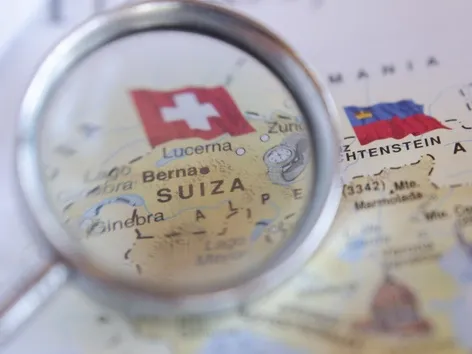
Switzerland attracts expats with its high standard of living and stability. Find out how to get a residence permit, what types of permits exist, requirements, documents and immigration features

Switzerland is consistently ranked among the countries with the highest standard of living in the world. A strong economy, effective healthcare system, safety and quality education attract foreigners from all over the world, including citizens of Jamaica, the Philippines, Albania, Mexico and Japan. At the same time, the country's immigration system remains one of the most complex in Europe.
Obtaining a residence permit is the first and mandatory stage for those who plan to live, work or study in Switzerland legally. And the success of the entire process depends on the correct choice of the basis and preparation of documents.
Are you planning to move abroad and want to avoid bureaucratic mistakes? The “Immigration Guide” from Visit World will help you quickly understand the requirements of any country. You will receive a clear action plan, a list of documents and current rules without unnecessary confusion. This is the ideal solution for those who want to prepare correctly the first time.
Get the guide now and start preparing for the move with confidence!

How does the residence permit system work in Switzerland?
The country's migration policy is based on a clear distribution of permits depending on the purpose of stay. The decision to issue a permit is not made at the national level, but by the cantonal authorities, which means that the requirements and procedures may differ slightly depending on the region.
Each permit has a limited validity period, conditions for extension and a set of rights - from temporary stay to full resident status.
Read more about visas, the cost of living, finding housing and cultural adaptation in Switzerland in 2026 here.
What types of residence permits are there in Switzerland?
Depending on the purpose of the visit and the length of stay of the foreigner, residence permits in Switzerland can be divided into the following types:
B permit for primary or temporary residence
EU/EFTA citizens are granted this permit for five years, and non-EU/EFTA citizens for one year. However, it can be extended if necessary. You will receive a B permit if you want to move to Switzerland to work or study there. Therefore, you will need to have an employment contract valid for at least 1 year or be enrolled in a Swiss educational institution.
L permit for short-term residence
This permit is issued to people who move to Switzerland to work in a specific position or company. This permit is valid for up to one year and can be extended for a maximum of 24 months. If you change jobs, you may not receive a new permit.
Permanent Residence Permit C
The Swiss C permit allows you to change jobs as many times as you like, work for any employer, and live in Switzerland.
Expats from the EU, the US, and Canada can get it after five years of living in Switzerland. Nationals from other countries must live in the country for 10 years before applying.
Visit World services for tourists, migrants, and expats: Insurance | Guides | Legal advice
G Permit for Cross-Border Travel
This document is issued to foreigners who live in another country but work in Switzerland. People who commute to work daily or weekly can get it. The main requirement for obtaining a G permit is to return to their country at least once a week, and it does not give the holder the same rights as a resident.
The permit can be renewed annually and is valid for the duration of the employment contract. However, it cannot exceed five years.
Ci Permit
A Ci Permit is issued to the spouse of an employee of an intergovernmental organization or a foreign embassy and their children (aged 25).
The holder of a Swiss Ci Permit can work in Switzerland as long as the family member is there.
F permit for temporary residents
The Swiss F permit is issued to foreigners who, due to certain circumstances, have been ordered to leave Switzerland and return to their home country, but cannot do so because their life may be in danger, the order to leave violates international law or for any other technical reason.
In such situations, this category of expats receives a permit for a period of 12 months. In addition, their canton of residence can extend the permit for another twelve months, if necessary. The cantonal immigration authorities can also decide to grant the foreigner the right to work.
N permit for asylum seekers
The Swiss N permit is issued to foreigners whose asylum application is being processed by the Swiss authorities. An asylum seeker enjoys the same rights as a resident. In some cases, they may even be issued a work permit for paid work.
S permit for people in need of protection
The holder of a Swiss S permit can stay in Switzerland temporarily, but is not allowed to leave the country and return. This permit entitles the holder to work, but if the holder of an S permit wants to take up a job or change employers, he must request prior permission.
Requirements for applicants for a residence permit in Switzerland
Regardless of the reason, most applicants must meet the basic criteria:
1. Legitimate purpose of stay
The reason for the move must be clearly justified - work, study, business or family.
2. Financial capacity
The applicant must prove that he can cover his living expenses on his own. In Switzerland, this is a critical factor.
3. Availability of accommodation
A confirmed address is a prerequisite.
A basic insurance policy is mandatory for all residents.
5. Impeccable reputation
No criminal record or violations of migration legislation.
Grounds for obtaining a residence permit in Switzerland
Work
Employment is one of the most popular, but difficult ways. For citizens of non-EU countries, a quota system operates, which limits the number of permits each year. Key conditions: high qualifications, relevant education, proven experience, contract with an employer.
Important! The company must prove that it was unable to find a candidate among locals or EU citizens.
The level of wages, compliance with market working conditions, and the candidate's integration potential are checked separately.
Business and entrepreneurship
Opening your own business is possible, but only on condition that the business has economic value for the country. The authorities assess the realism of the business plan, financial stability, impact on the regional economy, and the prospect of creating jobs. Formal business without real activity does not provide grounds for obtaining a permit.
Family reunification
One of the most stable immigration routes, allowing spouses, children, and in some cases parents to move. Important criteria include cohabitation, financial independence of the family, integration (including language skills).
Financial independence
This option is suitable for people who do not plan to work in the country. However, you must prove a stable income or capital, no need for social assistance, and financial stability for a long period.
Study
Students are granted a permit for the period of study subject to confirmation of enrollment, sufficient financial resources, and opportunities for part-time employment after 6 months. After completing their studies, they are allowed to stay to look for work.
Other grounds
Alternative options include: volunteer programs, internships, Au Pair programs. These formats allow you to temporarily live in the country and gain international experience, but rarely lead to permanent status.
Package of documents for obtaining a residence permit in Switzerland
The list of documents depends on the grounds, but basically includes:
- passport;
- application;
- confirmation of the purpose of stay;
- financial documents;
- rental agreement;
- certificate of good conduct.
Documents often need to be translated into the official language of the canton and notarized.
What should you do after receiving a residence permit in Switzerland?
Many applicants underestimate this stage, but it is critically important, after arrival you must:
- Register your place of residence within 14 days;
- Apply for health insurance (up to 3 months);
- Obtain a tax/social number;
- Notify the authorities of changes (work, address, marital status).
How the healthcare system in Switzerland works was described in this article.
Typical mistakes of applicants for a residence permit in Switzerland
Most often, problems arise due to:
- Insufficient financial confirmation;
- Wrong choice of grounds;
- Errors in documents;
- Violation of the conditions of the permit after receipt.
Even minor inaccuracies can lead to refusal or delay.
Obtaining a residence permit in Switzerland is a complex, but quite real process. The main thing is to correctly assess your capabilities, choose a basis and carefully prepare documents. The Swiss system leaves no room for chance: only clarity, compliance with requirements and a strategic approach work here.
Immigration to Switzerland is a process that requires accuracy, knowledge and attention to detail. Even a minor error in the documents or the wrong choice of grounds can lead to refusal or loss of time. That is why it is important to have a clear understanding of all the stages before submitting an application.
Visit World’s “Immigration Guide” is a practical tool that will help you go through this journey without stress. It contains step-by-step instructions, a complete list of documents, current requirements, application processing times and even recommendations for living in a new country.
You get structured information in PDF format in just a few minutes – without having to spend hours searching and checking data. This is especially important for countries with a complex migration system, like Switzerland.
Download the guide today and make your move easier and more predictable!
As a reminder! Norway is consistently included in the list of the most comfortable countries to live in the world thanks to its high standards of welfare, social protection and ecology. We have already told you what opportunities this northern state offers, how to obtain legal residence, how much life costs and what foreigners should be prepared for before moving.
Photo – Freepik
We monitor the accuracy and relevance of our information. Therefore, if you see any error or discrepancy, please write to our hotline.
Frequantly
asked questions
Is it difficult to get a Swiss residence permit?
How long does it take to get a Swiss residence permit?
How can I get a permanent residence permit in Switzerland?
Recommended articles
3 min
Investment
While “golden visas” in Western Europe are becoming unavailable or being phased out, the Balkans offer significantly cheaper alternatives: starting at €50,000 in investment or even with no minimum threshold. Albania, Montenegro, and Serbia are launching their own residency programs, which could serve as a cost-effective gateway to the European market. Learn more about the conditions for obtaining a residence permit through investment in the Balkans in 2026
30 Mar. 2026
More details2 min
Education
Best Countries to Study and Live Abroad in 2026: Overview, Tips & Opportunities
Studying abroad is a strategic step for career development and international experience. Find out which countries are the most attractive for students in 2026, work-while-study opportunities, costs and tips for successful admission
27 Mar. 2026
More details1 min
Investment
7 Best Tax Regimes in Europe 2026: How to Legally Reduce Taxes for Business
Europe offers more opportunities for tax optimization than it seems at first glance. Find out which 7 special tax regimes in Europe in 2026 allow you to legally reduce taxes and which countries are the most profitable for businesses and investors
29 Mar. 2026
More details2 min
Residence permit
Italy Offers €15,000 Grant for Moving to Sardinia: New Residents Incentive
Dreaming of living on a sunny island with clean beaches and a relaxed atmosphere? Find out about the Sardinia relocation program, a €15,000 grant and additional payments for families looking to settle in the island's small towns
01 Apr. 2026
More detailsAll materials and articles are owned by VisitWorld.Today and are protected by international intellectual property regulations. When using materials, approval from VisitWorld.Today is required.