

Spain is introducing new rules for electric scooters: what will change for tourists starting October 1, 2026
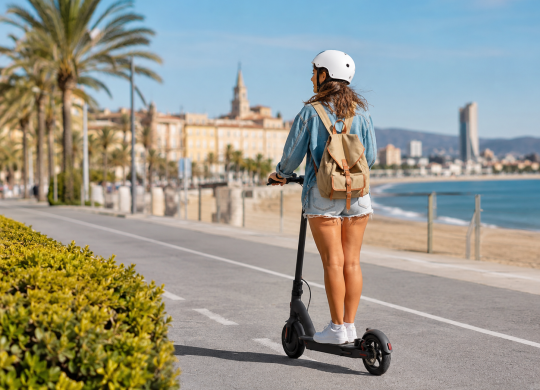
Spain is tightening the rules for using electric scooters: starting October 1, 2026, new age restrictions, a mandatory helmet, and additional safety requirements will apply to riders. At the same time, regulations for electric scooter use vary across EU countries, so travelers should check local laws before their trip. Learn more about the changes coming into effect in Spain and the requirements in other popular European countries

Electric scooters have long been one of the most popular ways to get around European cities, both among locals and tourists. However, as their popularity grows, so does the number of traffic accidents, prompting many countries to gradually tighten safety regulations.
Spain will be one of the first countries in Europe to introduce, at the national level, a minimum age for riding an electric scooter, mandatory helmet use, and additional requirements regarding rider visibility. The new rules will take effect on October 1, 2026, and will apply to both local residents and foreign tourists who rent electric scooters while traveling.
Planning a trip abroad?
Insurance from the Visit World portal will help you avoid unnecessary risks. The policy covers the costs of medical treatment, emergency assistance, and unforeseen situations abroad, so that even in the event of delays or route changes, you remain protected and can focus on your trip rather than on problems.

New Rules for Electric Scooter Users in Spain
Starting October 1, 2026, a new set of rules aimed at improving road safety will take effect in Spain. The country’s authorities are seeking to reduce the number of accidents involving electric scooters and establish uniform requirements for all users of this mode of transportation.
The main changes include:
- Minimum age for riders: 15 years old. Younger teenagers will no longer be legally allowed to ride electric scooters on public roads.
- Mandatory use of a protective helmet. While this requirement previously depended on municipal regulations, it will now apply nationwide.
- A reflective vest must be worn during hours of darkness or in conditions of poor visibility. This rule is intended to make riders more visible to other road users.
- Fines of up to 200 euros for violating the new requirements.
The new rules will apply not only to Spanish residents but also to tourists using rental e-scooters. Therefore, before your trip, make sure you have the necessary equipment and meet the age requirements to avoid fines and issues with local police.
We previously reported that France faced a new wave of extreme heat in June 2026, which has already caused transportation disruptions and widespread restrictions.
What are the rules for using electric scooters in other European countries?
There are no uniform rules for using electric scooters across EU countries. Although the general trend is toward stricter safety requirements, each country sets its own age restrictions, helmet requirements, and other traffic rules.
Here’s how the situation looks in several popular tourist destinations:
- France. You must be at least 14 years old to ride an electric scooter. For adults, wearing a helmet is generally recommended, but in some cases it is mandatory for children or when riding outside of built-up areas.
- Germany. The minimum age for riding electric scooters is 14. The law does not require riders to wear a helmet, but authorities strongly recommend wearing one for your own safety.
- Italy. Some of the strictest rules in Europe. You can ride an electric scooter starting at age 14, and a protective helmet is mandatory for all riders regardless of age.
Once the new rules take effect, Spain will become one of the few EU countries where a minimum age of 15, mandatory helmet use, and additional requirements for rider visibility will all be in effect simultaneously at the national level. That is why tourists should not rely on the rules in effect in their home country, as they may differ significantly while traveling.
In our previous article, we discussed how the heat is changing tourism in 2026: new destinations, seasons, and travelers’ habits.
What should tourists know before renting an electric scooter?
Renting electric scooters via mobile apps has become a common service in most European cities. However, the rider is personally responsible for complying with local rules, regardless of whether they are a local resident or a tourist.
Before your trip, keep a few important points in mind:
- Familiarize yourself with local rules. Age restrictions, helmet requirements, permitted riding areas, and fine amounts can vary significantly depending on the country or even the specific city.
- Don’t ignore safety gear. Even if a helmet isn’t required by law, it significantly reduces the risk of serious injury in the event of a fall.
- Follow traffic rules. In many countries, it’s prohibited to ride on sidewalks, carry passengers, or use a phone while riding.
- Check the rental terms. Some services may have their own age restrictions or require identity verification before starting a trip.
Following local regulations will not only help you avoid fines but will also make getting around the city safer for both the driver and other road users.
Are you preparing for a trip abroad in 2026?
Medical insurance from the Visit World portal will provide reliable support during your trip, especially in the context of flight changes and unstable schedules. The policy covers medical expenses, emergency assistance, and other unforeseen situations outside the country, so you can feel confident even when plans have to be adjusted at the last minute.
We remind you! Croatia is stepping up its fight against drunken tourists by introducing new restrictions in popular resort cities. Split became the first city in the country to introduce strict rules on alcohol sales this summer. Read more about the new bans, hefty fines for tourists, and changes in Croatia's tourism strategy.
Products from Visit World for a comfortable trip:
Travel guide for 200 countries;
Legal advice from a local specialist on visa and migration issues;
Travel insurance around the world (please select the country of interest and citizenship to receive services);
Medical insurance all over the world.
We monitor the accuracy and relevance of our information, so if you notice any errors or inconsistencies, please contact our hotline
Frequantly
asked questions
Is a helmet required to ride an electric scooter in Spain?
What is the minimum age to ride an electric scooter in Spain?
What is the fine for violating the new rules?
Are the rules for electric scooters the same in all EU countries?
Do the new rules apply to tourists?
Recommended articles
3 min
Air travel
Summer is traditionally the busiest season for European airports, but in 2026, the situation could prove particularly challenging. Experts are already warning of possible flight delays, long lines, and overcrowding at certain transportation hubs. Learn more about which European airports are likely to cause the most problems for travelers this summer and how to prepare for your trip
27 Jun. 2026
More details3 min
Travels
Where to Go on Vacation in August 2026: The Best European Destinations for a Summer Holiday
August remains one of the most popular months for traveling in Europe, but not all tourists are eager to vacation at the crowded resorts of Spain, Italy, or France. Experts at Lonely Planet have highlighted some less obvious destinations where you can enjoy good weather, interesting sights, beach vacations, and reasonable prices. Learn more about the best places to vacation in Europe in August 2026
28 Jun. 2026
More details2 min
Travels
Venice Plans to Raise Tourist Entry Fee to €50: What Will Change in 2026?
Venice authorities are considering a significant increase in entry fees for day-trippers. If the initiative is approved, visiting one of Europe’s most popular cities could cost up to €50 on certain days. Learn more about who will be affected by the new rules, why the city is taking this step, and what to keep in mind when planning your trip
24 Jun. 2026
More details2 min
Popular
The record-breaking heatwave that has swept across most of Europe is already affecting not only people’s health but also transportation, business operations, and city regulations. Across various countries, trains are being canceled or delayed, working conditions are being adjusted, temporary restrictions are being imposed, and tourists are being urged to pay close attention to warnings from authorities. Learn more about how extreme heat is changing travel in Europe and what restrictions you should be prepared for
26 Jun. 2026
More detailsAll materials and articles are owned by VisitWorld.Today and are protected by international intellectual property regulations. When using materials, approval from VisitWorld.Today is required.