

New Rules for RV Owners in the EU: Which Safety Systems Will Become Mandatory Starting July 7
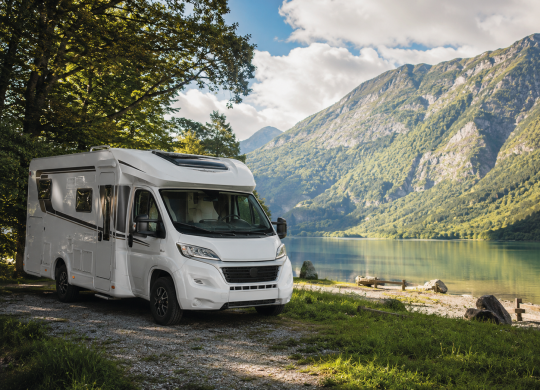
Starting July 7, 2026, a new phase of safety requirements for campers and motorhomes will take effect in the European Union. All new vehicles registered for the first time after this date must be equipped with modern driver-assistance systems. Find out who is affected by these changes, which technologies will become mandatory, and whether owners of already registered campers will need to retrofit their vehicles

Every year, the European Union tightens vehicle safety requirements in an effort to reduce the number of traffic accidents and lower road fatalities. The next phase of the reform takes effect on July 7, 2026: from that date on, all new campers and motorhomes registered for the first time in EU countries must comply with the updated requirements of the EU Regulation on General Vehicle Safety.
The new rules require the mandatory installation of a number of electronic driver-assistance systems, including automatic emergency braking, fatigue monitoring, lane-keeping assistance, and intelligent speed control. This is expected to make travel safer, but it will also increase the cost of new models by approximately 1,000–3,000 euros. However, owners of campers registered before July 7 have nothing to worry about—no retrofitting is required for them.
Are you planning a trip to Europe by car?
In many countries, highways are tolled and require an electronic road vignette. This is a digital permit that confirms payment for the use of toll roads and is checked automatically by the license plate number - without stickers and paper receipts. Making a vignette online before you travel will help you avoid fines, travel delays, and unpleasant situations during inspections.

What new rules are taking effect for motorhomes in the EU?
Starting July 7, 2026, the next phase of the General Safety Regulation II (GSR II) for motorhomes will take effect in the EU. The new requirements apply only to motorhomes that will be registered for the first time after that date. The goal of these changes is to reduce the number of accidents through modern driver-assistance systems that can warn of dangerous situations or even intervene to prevent collisions.
At the same time, owners of already registered campers will not face any new obligations. If a vehicle was registered before the new rules took effect, there is no need to install additional equipment or undergo recertification.
The new requirements apply to:
- New campers and motorhomes registered for the first time after July 7, 2026
- Manufacturers, who must integrate all required safety systems during the production phase
- Dealers, who will sell vehicles equipped with the mandatory set of electronic safety features
At the same time, nothing changes for:
- Campers registered before July 7, 2026
- Owners of used motorhomes
- Buyers of vehicles on the secondary market, provided they have already been officially registered
The introduction of these new standards is part of the EU’s long-term Vision Zero strategy, which aims to nearly eliminate fatal traffic accidents on European roads by 2050. That is why more and more active safety systems are moving from the category of expensive options to mandatory vehicle equipment.
In our previous article, we discussed where in Europe it will be cheapest and fastest to charge an electric vehicle in 2026.
Which safety systems will now become mandatory?
The main change is that a number of electronic assistants, which were previously often available only in high-end trim levels or as optional extras, will now become mandatory standard equipment in new motorhomes. Most of these technologies have long been used in modern passenger cars and are designed to help drivers avoid accidents, especially during long trips.
Mandatory equipment will include:
1. Automatic Emergency Braking (AEB). The system automatically applies the brakes if the driver does not react to a hazard ahead.
2. Lane Keeping Assist. Helps prevent unintentional lane departure and can automatically correct the vehicle’s path.
3. Intelligent Speed Assistance (ISA). It recognizes current speed limits and alerts the driver if they are exceeded.
4. Driver Fatigue and Distraction Monitoring. It analyzes driving behavior and recommends taking a break if it detects signs of fatigue or reduced concentration.
5. Rearview camera or rear-view monitoring system. Makes it easier to maneuver a large camper and reduces the risk of hitting obstacles or pedestrians.
6. Tire Pressure Monitoring System (TPMS). Continuously monitors tire pressure and alerts the driver to dangerous drops in pressure.
7. Preparation for installing an alcohol interlock. The device itself is not mandatory, but the vehicle’s design must allow for its future installation.
8. New requirements for cybersecurity and vehicle electronic systems. Manufacturers must ensure better protection of software and electronics against external interference.
Most of these technologies operate automatically and do not require driver intervention. For example, an emergency braking system can prevent a collision if the driver does not have time to press the brake pedal, and fatigue monitoring is particularly useful during long trips, when the risk of losing concentration increases significantly. That is why the EU is gradually making such systems mandatory for all new vehicles, including motorhomes.
In our previous article, we discussed the best countries in the world for road trips in 2026.
Will new motorhomes become more expensive?
The introduction of new mandatory safety systems will affect not only the technical equipment but also the cost of new motorhomes. Manufacturers will have to include modern electronic assistants even in the base trim level, as well as adapt the design of the vehicles to meet the new EU requirements.
According to estimates by German industry publications, the price of new motorhomes could rise by approximately 1,000–3,000 euros, depending on the model, manufacturer, and trim level. If some of these systems were already included in a specific vehicle’s standard configuration, the price increase may be minimal. Buyers of budget models will feel the changes the most, as many electronic assistants were previously available only for an additional fee or not offered at all.
At the same time, experts note that the additional costs are offset by a higher level of safety and comfort while traveling. For large motorhomes, which have longer braking distances and are more difficult to maneuver due to their size, such systems can significantly reduce the risk of accidents.
No significant changes are expected in the used market. Since the new regulations do not apply to already registered motorhomes, owners of such vehicles are not required to install the new equipment. This means that used motorhomes will remain an attractive alternative for those who do not plan to overpay for new models or do not need the most advanced driver-assistance systems.
In our previous article, we discussed the most common reasons tourists are fined on European roads in 2026.
What do camper owners and buyers need to know?
The new requirements do not mean that all campers in Europe must be retrofitted. The rules apply only to vehicles that will be registered for the first time after July 7, 2026. For all other owners, operating procedures remain unchanged.
If you already own a camper or purchased one before the new rules take effect, keep the following in mind:
- You do not need to retrofit your vehicle—installing new safety systems is not mandatory;
- Recertification is also not required—your current registration remains valid;
- The EU is not imposing any restrictions on operation or travel—already registered motorhomes can continue to be used without any changes.
For those who are just planning to buy a new motorhome, experts advise carefully checking the model’s technical specifications. Once the new requirements take effect, all new motorhomes must comply with the updated safety standards; however, the list of systems and their functionality may vary by manufacturer. Before finalizing a purchase, it’s worth clarifying which equipment is already included in the base package and how it works in practice.
Special attention should also be paid to cost. If budget is a deciding factor, it’s worth comparing prices for new and used models. Since there is no requirement to retrofit already registered motorhomes, the used market may remain an attractive option for many travelers, especially those who use a motorhome only a few times a year.
We previously reported that Europe is introducing mandatory driver surveillance cameras.
What Do the New Rules Mean for Tourists in Europe?
For most tourists, the new requirements won’t change the nature of their travels, but they will influence their choice of transportation. If a campervan is purchased or registered for the first time after July 7, 2026, it will already be equipped with modern active safety systems to assist during long trips on European roads.
For those planning to rent a motorhome, this means that new models may be equipped with a wider range of electronic driver-assistance features. In particular, automatic emergency braking, lane-keeping assist, and intelligent speed control can make driving a large vehicle easier, especially for drivers without significant experience traveling in motorhomes.
Before buying or renting a motorhome, it’s worth paying attention to a few key points:
- The vehicle’s initial registration date
- The list of installed safety systems
- Whether electronic driver-assistance systems are included in the base package
- The final cost of the vehicle or rental, taking the new features into account
Despite the potential increase in the cost of new models, the main goal of these changes is to make traveling on European roads safer. Thanks to the mandatory use of modern driver-assistance systems, the risk of accidents may decrease, and driving large motorhomes will become more comfortable even for less experienced travelers.
Are you traveling abroad with your own car or a rented car?
Before traveling, it is important to check whether a road vignette is required for toll roads in the countries of your route. Failure to have a valid vignette can result in fines and automatic camera recordings of violations. Getting an electronic vignette from Visit World is an easy way to travel more relaxed, without unnecessary expenses and surprises on the road!
We remind you! Traveling through Europe in 2026 does not have to be expensive, even despite the general rise in prices. Analysts have compiled a rating of the most affordable destinations where you can combine relaxation, experiences, and moderate expenses. Follow the link to learn about budget locations in Europe that are worth considering for your 2026 vacation.
Products from Visit World for a comfortable trip:
Travel guide for 200 countries;
Legal advice from a local specialist on visa and migration issues;
Travel insurance around the world (please select the country of interest and citizenship to receive services);
Medical insurance all over the world.
We monitor the accuracy and relevance of our information, so if you notice any errors or inconsistencies, please contact our hotline.
Frequantly
asked questions
Do I need to install new safety systems on a camper that’s already registered?
What safety systems will be mandatory for new campers?
How much more expensive might new motorhomes become?
Will the rules for renting campers in Europe change?
What should you check before buying a new campervan in the EU?
Recommended articles
2 min
Transport
Europe is introducing mandatory driver-monitoring cameras: new rules for cars
The European Union is preparing new, stricter regulations for cars: starting in July 2026, all new vehicles will be required to have driver attention monitoring systems. Cameras and sensors will track eye movement, fatigue, and distractions while driving, and the car will issue warnings in case of danger. Learn more about how the new technologies will work and who will be affected by the changes
22 May. 2026
More details3 min
Transport
The Best Countries in the World for Road Trips in 2026: Zutobi’s New Ranking
Zutobi experts have released a ranking of the world’s best countries for road trips in 2026. The study took into account road quality, safety, fuel costs, traffic congestion, and comfort for drivers. Learn more about the countries that have been named the top destinations for road trips this year
28 May. 2026
More details2 min
Transport
Europe introduces a new anti-drunk driving system: cars won't start after alcohol consumption
The EU continues to strengthen road safety measures. One of the new tools in the fight against drunk driving is the alcolock system, which prevents a vehicle from starting after alcohol consumption. Learn more about how this technology works, in which countries it is already in use, and what changes drivers can expect in the coming years
29 May. 2026
More details2 min
Transport
Where in Europe Is It Cheapest and Fastest to Charge an Electric Car: A Ranking of Countries in 2026
Europe continues to actively develop its electric vehicle infrastructure: the number of public charging stations has exceeded 1.3 million, and competition among countries is driving more affordable rates and faster charging. Learn more about where in Europe it’s cheapest to charge an electric vehicle, which countries have the most developed network of charging stations, and what to consider before taking a road trip
29 Jun. 2026
More detailsAll materials and articles are owned by VisitWorld.Today and are protected by international intellectual property regulations. When using materials, approval from VisitWorld.Today is required.