

EUDI-Wallet in Germany: What Documents Can Be Used via a Smartphone
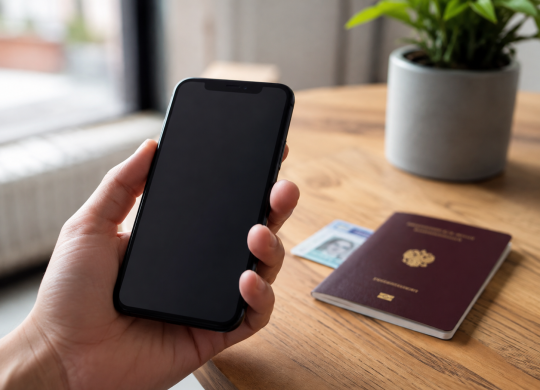
In early 2027, Germany plans to launch the EUDI-Wallet, a government-backed digital wallet. It will allow users to verify their identity and use digital documents via a smartphone not only in Germany but also in other EU countries

Germany is preparing to launch its own European Digital Identity Wallet (EUDI-Wallet)—a digital wallet that will be one of the key elements of the EU’s new electronic identification system. The German Federal Ministry for Digitalization reports that the rollout of the service is scheduled to begin in early 2027.
Using a smartphone, users will be able to verify their identity, present digital credentials, and access public and private services. The system is being developed in accordance with common EU standards, so digital identification should also work when using services in other EU countries.
Need help applying for a permanent residence permit in Germany?
An immigration lawyer from the Visit World portal will analyze your situation, help you gather the necessary documents, and guide you through the application process with the Ausländerbehörde.

Germany to Launch EUDI-Wallet in Early 2027
Germany plans to launch the EUDI-Wallet, a government-backed digital wallet, in January 2027. It will be part of the pan-European European Digital Identity system, which aims to standardize digital identity verification and the use of electronic documents across EU countries.
Through the app, users will be able to verify their identity using a smartphone and provide the necessary digital data to government agencies and private companies. Importantly, the system is being developed according to uniform EU standards, so the German EUDI-Wallet should be compatible with services in other member states.
The rollout will take place in phases. In the first phase, the main focus will be on digital identification and the secure verification of personal data, and the list of available documents and features will be expanded in the future.
How much will housing cost in Germany in 2026?— We explain it here.
What documents can be stored in the EUDI-Wallet?
The EUDI-Wallet is designed to be more than just a digital copy of a passport. It will allow users to store and share various verified data and documents, with users deciding for themselves exactly what information to provide to a specific service. For example, to verify age, it will not be necessary to disclose one’s name, address, or full date of birth.
Among the documents and features supported by the EUDI system are:
- Digital ID and personal identification data
- Mobile driver’s license
- Diplomas and other educational documents
- Medical prescriptions and certain medical data
- Transportation and travel documents
- Banking and other verified data
- Creation and use of an electronic signature
However, not all features will necessarily be available in the German wallet simultaneously on launch day. The EUDI-Wallet will be populated with digital IDs and other verifications gradually as government agencies and private services come online.
It is also important to note that a qualified electronic signature created via the EUDI-Wallet will have the same legal validity as a handwritten signature in all EU countries. For individuals, its use for non-professional purposes via the wallet will be free of charge.
How to obtain permanent residence and resident status in Germany in 2026— follow the link to read more.
Where can the EUDI-Wallet be used?
The EUDI-Wallet is not being created solely for interactions with government agencies. It is also planned for use with private services where users currently need to upload documents separately, undergo identification, or personally verify their information.
Key use cases include:
- Opening a bank account online
- Verifying identity when receiving government services
- Enrolling in university or verifying diplomas
- Using digital documents while traveling
- Storing boarding passes and other travel documents
- Verifying age without sharing unnecessary personal data
- Electronically signing documents
- Authorizing individual payments
One of the system’s key features is cross-border use. A digital wallet issued in Germany must operate according to common EU technical standards. This means that a user will be able to verify their identity or submit the required digital document to a service in another EU country without having to obtain a separate local digital ID.
At the same time, users will control exactly what data they share. For example, a service that only needs to verify that a person is at least 18 years old will not necessarily receive their full date of birth or other personal information.
Where to look for a job in Germany without knowing the language— we explain here.
Will the EUDI-Wallet replace traditional documents?
The transition to the EUDI-Wallet does not mean that German residents will have to give up their traditional documents. Use of the government digital wallet will be voluntary and free of charge, and traditional methods of accessing services and verifying identity will continue to function.
In other words, a smartphone will serve as an additional means of identity verification, not a mandatory replacement for physical documents. Users will be able to decide for themselves when to use the EUDI-Wallet and when to present a traditional ID.
For Germany, the 2027 launch will be just the first step. The wallet’s features and the number of available digital verifications are planned to be gradually expanded. At the same time, private companies are being integrated into the ecosystem: as of 2026, more than 150 companies were already developing use cases for the EUDI-Wallet within the German test system, including for bank identification, signing mobile contracts, and age verification.
German immigration law undergoes regular changes—in 2025–2026, a series of amendments to the AufenthG were adopted that affected the conditions of stay and procedures for refugees. To accurately assess your chances of obtaining a permanent residence permit and avoid mistakes when submitting your application, it’s advisable to seek the assistance of a qualified specialist. The Visit World portal offers consultations with an immigration lawyer who can help you navigate the current requirements of German law and prepare your documents tailored to your individual situation.
Book a consultation and get a clear action plan for your case!
We remind you! We discuss basic old-age benefits in Germany in 2026 in this article.
Products from Visit World for a comfortable trip:
Checklist for obtaining a visa and necessary documents in Germany;
Legal advice on business issues in Germany;
Travel insurance for foreigners in Germany;
Medical insurance around the world.
We monitor the accuracy and relevance of our information, so if you notice any errors or inconsistencies, please contact our hotline.
Frequantly
asked questions
When will the EUDI-Wallet be launched in Germany?
Will there be a fee for the EUDI-Wallet?
Will it be possible to use the German EUDI-Wallet in other EU countries?
Is it mandatory to switch to digital documents?
Will all documents appear in the EUDI-Wallet right away?
Recommended articles
3 min
Popular
How to Rent an Apartment in Germany: Lease Agreement, Security Deposit, and Tenant Rights
Renting an apartment in Germany involves clear rules regarding the lease agreement, security deposit, repairs, utility bills, and termination of the lease. Even a minor mistake when moving in can result in additional costs or the loss of part of your security deposit. Learn more about tenants’ rights in Germany and the important terms you should check before signing a lease agreement
15 Jul. 2026
More details2 min
Popular
Germany to Ban Alcohol Consumption at All Train Stations: When Will the New Rule Take Effect?
Deutsche Bahn is implementing a ban on drinking alcohol at all 5,400 train stations across the country. Learn more about when the rule takes effect, any exceptions, and the consequences for violators
24 Jul. 2026
More details3 min
Expats
Buying Real Estate in Germany: What Additional Costs Can a Buyer Expect?
Buying real estate in Germany appeals to many foreigners, but the actual cost of the transaction often exceeds the price listed in the ad by 9–15%. The buyer’s budget must account for taxes, notary fees, real estate agent commissions, and land registry fees, and the amount of these charges varies by federal state. Learn more about the hidden costs of buying a home in Germany, the transaction process, and the rights of foreign buyers
26 Jul. 2026
More details2 min
For refugees
Basic Income in Germany in 2026: Who Is Eligible for Payments Starting at €563?
In Germany, people of retirement age and adults with a permanent and total loss of earning capacity can apply for Grundsicherung if their own income is insufficient to cover their living expenses. The assistance includes a standard payment, reasonable housing and heating costs, insurance premiums, and statutory supplements. Learn more about the amounts for 2026, financial limits, and the application process
10 Aug. 2026
More detailsAll materials and articles are owned by VisitWorld.Today and are protected by international intellectual property regulations. When using materials, approval from VisitWorld.Today is required.