

Europe's Most Amazing Natural Sites: 15 Places to Visit in the Future
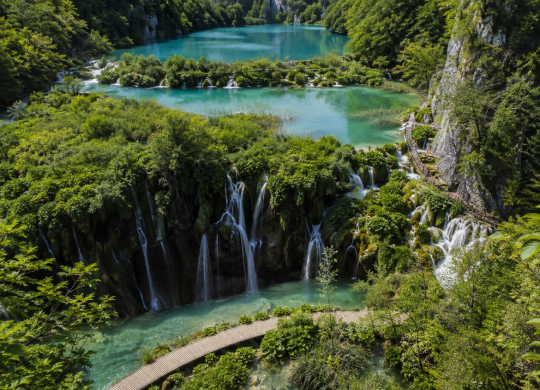
In Europe, you can see rocks that seem “alive,” a lake that appears to hover over the Atlantic, basalt columns with perfect geometric shapes, and turquoise waterfalls nestled among the forests. Learn more about 15 natural wonders of Europe that are worth adding to your future travel plans

People often choose to visit Europe for its historic cities, museums, and architecture, but some of the continent’s most unusual places were created without human intervention. There are landscapes here that look more like the sets of a science fiction movie: from the Romanian tuff columns, known as “living stones,” to Lake Leitisvatn in the Faroe Islands, which, from a certain angle, appears to be situated right above the ocean.
This selection of Europe’s most fascinating natural wonders includes 15 locations across the continent. Among them are the Plitvice Lakes with dozens of waterfalls, the Meteora Rocks in Greece, the Verdon Gorge in France, the Giant’s Causeway in Northern Ireland, and lesser-known natural areas in Jersey, Sweden, and Sardinia.
We’ll tell you where these places are located, what makes them unique, and why you should include them in your European travel itinerary.
In our previous article, we wrote about 5 European countries that tourists are hardly visiting in 2026.
Discovering a new country for yourself without the help of travel agents or intermediaries is very simple. All you need is a checklist or a “Travel Guide” from Visit World – a step-by-step guide with all the key information for your trip.
The guide contains information on visa requirements, visa-free entry rules, permitted periods of stay and a list of required documents.
After completing the form, the guide will be sent to your email in PDF format in just a few minutes.
Choose a country and get your travel guide today.

Europe’s Most Incredible Natural Wonders You Should See
The first locations in this selection share one common trait: in photos, they often look unreal. However, behind the “living” rocks, the lake overlooking the Atlantic, and the cascades of turquoise water lie very real geological processes.
The Costesti Trovants, Romania
Near the Romanian village of Costești, you can see the Costești Trovants—round stone formations made of sand and mineral cement, whose shape sometimes resembles giant eggs or spheres. Due to changes that become particularly noticeable after rain, they are often called “living” or “growing” stones. In fact, these are geological concretions that formed inside sandy rock.
To protect these unusual formations, a nature reserve and museum dedicated to the trovants was established in Costeşti. Here, the stones can be seen in the open air, and their sizes and shapes vary greatly: from small, rounded formations to massive boulders.
In our previous article, we wrote about cool spots in France for a vacation without crowds or heat.
Lake Leitisvatn, Faroe Islands
Leitisvatn, also known as Sørvágsvatn, is the largest lake in the Faroe Islands. The most famous view is from the Trælanípa cliffs: from here, it seems as if the lake is located hundreds of meters above the Atlantic Ocean. In reality, this is an optical illusion created by the terrain and perspective.
The lake lies about 30 meters above sea level, and at its southern edge, the water plunges directly into the Atlantic via the Bøsdalafossur waterfall. It is the combination of the lake, the steep cliffs, and the ocean that has made this spot one of the most recognizable natural landscapes in the Faroe Islands.
Plitvice Lakes, Croatia
Plitvice Lakes is Croatia’s oldest and largest national park, established back in 1949. Its main feature is a system of lakes, waterfalls, caves, and natural travertine barriers that continue to shape the landscape even today.
In 1979, the park was inscribed on the UNESCO World Heritage List. Plitvice is at its most spectacular thanks to the contrast between the crystal-clear water, cascading waterfalls, and dense forests, and the color of the lakes can vary depending on the mineral composition of the water, lighting, and other natural factors.

In our previous article, we discussed where to go in the summer without the heat: 4 cool European destinations.
Meteora, Greece
Meteora in Thessaly is a group of massive rock pillars rising above the plain near the town of Kalambaka. Some of the rock formations reach heights of approximately 200–300 meters, and the current landscape was shaped by the long-term effects of erosion.
The site is known not only for its natural landscape. Monks began settling on the hard-to-reach peaks of the rocks as early as the 11th century, and 24 monasteries were later built there. The Meteora complex is inscribed on the UNESCO World Heritage List and combines unique geology with one of Greece’s most famous monastic sites.
Verdon Gorge, France
Located in southeastern France, the Verdon Gorge is one of Europe’s most spectacular canyon landscapes. Limestone cliffs frame the Verdon River with its distinctive turquoise water, and viewing platforms and hiking trails run along the gorge. The area is part of the Verdon Regional Nature Park, which covers more than 216,000 hectares.
One of the most famous routes in the gorge area is the Blanc-Martel trail, but you can also explore the Verdon without a long hike. Popular options include scenic drives along the canyon, overlooks, walks by the lakes, and water activities in calmer sections.

We previously reported that massive wildfires in France and Spain led to the evacuation of over 300,000 people and the closure of roads, campgrounds, and tourist sites.
Waterfalls, Cliffs, and Unusual Shorelines
This part of the selection features rugged northern landscapes, volcanic rock formations, and coastlines shaped over millions of years. Among them are both well-known UNESCO sites and places where tourists go primarily for hiking and to enjoy unique scenery.
Aldeyjarfoss Waterfall, Iceland
Aldeyjarfoss is located in northern Iceland and is distinguished by the contrast between its white water and dark basalt columns. Here, the Skjálfandafljót River cuts through the volcanic landscape, forming one of the country’s most spectacular yet least-visited waterfalls. Iceland’s official tourism portal lists Aldeyjarfoss among the interesting locations in Northern Iceland that allow visitors to venture off the most crowded tourist routes.
Getting here is more challenging than reaching many waterfalls along the popular Ring Road, so it’s worth checking road conditions and weather forecasts before your trip. It is precisely this remoteness and the near-total absence of development in the surrounding area that make Aldeyjarfoss particularly spectacular.
In our previous article, we wrote about the TOP 5 uncrowded Mediterranean resorts where you can relax without lines or noise.
Segla and Hesten, Norway
The island of Senja in northern Norway is known for its jagged mountain peaks, fjords, and trails offering panoramic views of the Norwegian Sea. Among the island’s most famous mountains, Norway’s official tourism portal highlights Segla and Hesten.
The hike up Hesten is particularly popular, offering one of the best views of Segla’s nearly vertical face. It is from this vantage point that the peak looks most dramatic: a narrow rock massif drops sharply toward the fjord. The hike requires appropriate footwear and stable weather, as conditions in the coastal mountains of Seni can change rapidly.
Giant’s Causeway, Northern Ireland
Located on the coast of County Antrim is the Giant’s Causeway, formed by more than 40,000 basalt columns. Most of them have a distinctive polygonal shape, making the coastline look as if it were paved with giant stone cobblestones.
The columns were formed as a result of volcanic activity approximately 60 million years ago, when lava cooled and cracked into geometric blocks. Today, the Giant’s Causeway is a UNESCO World Heritage Site and one of Northern Ireland’s most famous natural landmarks.

The Piscinas Dunes, Sardinia
On the west coast of Sardinia, you can see a completely different landscape—the Piscinas Dunes. Vast expanses of golden sand stretch along the Mediterranean Sea and are in places covered with juniper and other Mediterranean vegetation.
The location is remote from major resort centers, so people come here not for beach amenities, but for the feeling of an almost wild coastline. The most striking contrast is created by the tall sand dunes, which merge directly into a wide strip of beach and the sea.
Learn more about the 10 safest islands in the world in 2026 by following the link.
Les Minquiers, Jersey
About 15 km south of the island of Jersey lies the Les Minquiers archipelago—a system of small islands, reefs, and sandbars in the English Channel. Its main feature becomes apparent at low tide: the water recedes, revealing vast stretches of sand, rocky reefs, and crystal-clear shallow lagoons.
The area of the sandbars that emerge around Les Minquiers exceeds the area of Jersey itself. At high tide, a significant portion of this landscape is submerged again, so the archipelago’s appearance literally changes within a few hours. The only way to get here is by sea, most often as part of organized tours on speedboats.
Learn more about the TOP 10 budget-friendly alternatives to the Maldives that will surprise even seasoned travelersby following the link.
Places Where Nature Has Created Unique Landscapes
Not all natural wonders impress with massive waterfalls or sheer cliffs. Some of Europe’s most fascinating locations are unusual ecosystems, ancient forests, high-altitude regions, and areas where natural processes can still be observed with almost no human interference.
Camargue, France
Camargue is located in the Rhône Delta in southern France and is one of the country’s largest wetlands. Here, saltwater lagoons, marshes, pastures, and sandy coastal stretches alternate, and pink flamingos have become one of the region’s main symbols. The Camargue is home to the only place in France where they regularly nest.
Another distinctive feature of the Camargue is its semi-wild white horses and black bulls, which are traditionally bred in the region. The best way to explore this area is on foot, by bike, or on horseback, especially around the lagoons and nature reserves.
Allalinhorn, Switzerland
Allalinhorn in Valais rises to 4,027 meters and is part of the Mischabel massif near Saas-Fee. The mountain is surrounded by glaciers and is one of the most accessible four-thousand-meter peaks in the Alps for climbers, although it is still a high-altitude ascent that requires proper preparation.
Thanks to cable cars and the Metro Alpin underground funicular, you can ascend to Mittelallalin at an altitude of about 3,500 meters. From here, panoramic views of the glaciers and the region’s highest peaks unfold, so you can experience the high-mountain Alpine landscape even without climbing to the summit itself.

The High Coast, Sweden
Höga Kusten, or the High Coast, is located on the coast of the Gulf of Bothnia. Its uniqueness stems from post-glacial land uplift: after the end of the last ice age, the area gradually freed itself from the enormous mass of ice and continued to rise.
It is here that one of the world’s most striking examples of this process has been recorded: since the end of the Ice Age, the land has risen by approximately 300 meters. Today, the landscape consists of high cliffs, rocky islands, inlets, and wooded hills. Together with the Finnish Kvarken Archipelago, the area is listed as a UNESCO World Heritage Site.
Wistman’s Wood, United Kingdom
In Dartmoor National Park in southwestern England lies Wistman’s Wood—a small high-altitude oak forest known for its twisted trees, boulders, and thick carpet of mosses and lichens. It holds the status of a National Nature Reserve.
The forest’s particularly unusual appearance is created by old, low-growing oaks, among which lie moss-covered granite boulders. The area is highly vulnerable to trampling, so visitors are advised to stay on designated trails and avoid walking directly between the trees.
Migration of Honey Buzzards Across the Strait of Gibraltar
The Strait of Gibraltar is one of the main migration corridors between Europe and Africa. Twice a year, one can observe a massive migration of birds of prey here, which use the narrowest part of the strait to cross between the continents. The migration of honey buzzards, as well as black kites, Egyptian vultures, eagles, and other species, is particularly noticeable.
The best time to observe the fall migration of honey buzzards is during the last week of August and the first ten days of September. During this period, large flocks of birds of prey heading south to Africa may pass over the strait simultaneously. In the spring, the return migration is particularly active from March through May.
For travelers, this is a rare opportunity to witness not just a single natural attraction, but a large-scale seasonal phenomenon. The best viewing spots are open vantage points overlooking the strait and the coastline, from which the North African shore is also visible on clear days.
What to Consider Before Your Trip?
Most of the locations in this selection are located outside major cities, and some of the routes pass through mountainous or coastal terrain. Therefore, before your trip, it’s important to check not only the weather forecast but also the access rules for the specific natural area.
1. Check the conditions right before setting out on your route. The weather in the Faroe Islands can change quickly, so waterproof outerwear, warm layers, and shoes with good traction are recommended for hiking.
2. Check access rules and fees. Some popular hiking trails in the Faroe Islands have fees or special access conditions.
3. Do not stray from marked trails in protected areas. In Plitvice Lakes National Park, this is strictly prohibited, as is swimming in the lakes. It’s best to buy tickets online in advance, especially during peak season.
4. Realistically assess the difficulty of the hike. For example, the Blanc-Martel trail in the Verdon Gorge includes steep sections and tunnels. Hiking boots, a flashlight, and at least 2 liters of water per person are recommended for this trail.
5. Plan your logistics in advance. Some places, such as Le Minkier, are accessible only by sea, and parking is limited near popular attractions like the Giant’s Causeway.
For trips like these, it’s best to build in some extra time into your itinerary. Strong winds, fog, heat, storms, or trail closures can disrupt your plans even during peak tourist season.
Are you planning a trip and want to prepare without unnecessary stress? Visit World's travel guide contains key tips for travelers: rules of entry and stay, current requirements for tourists, basic safety, transportation and accommodation. Such a guide will help you quickly navigate a new country, avoid common mistakes during your trip, and plan your route taking into account practical nuances that often go unnoticed by tourists.
We remind you! Popular tourist destinations can be a trap. We have already told you which 8 places in the world Fodor’s advises to avoid in 2026 due to overtourism, environmental risks and social tension – and what alternatives to choose instead.
Products from Visit World for a comfortable trip:
Travel guide for 200 countries;
Legal advice from a local specialist on visa and migration issues;
Travel insurance around the world (please select the country of interest and citizenship to receive services);
Medical insurance all over the world.
We monitor the accuracy and relevance of our information, so if you notice any errors or inconsistencies, please contact our hotline
Frequantly
asked questions
Which of Europe’s natural wonders are worth seeing at least once?
Where in Europe can you see “living” stones?
Where is the lake that appears to be suspended over the ocean?
Which natural sites in Europe are best suited for hiking?
When is the best time to visit Europe’s natural destinations?
Recommended articles
2 min
Travels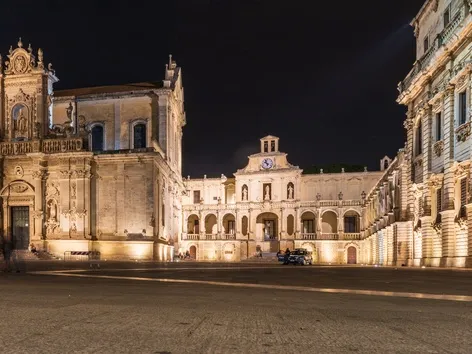
5 Underrated Italian Towns to Visit in 2026: Hidden Gems Beyond the Tourist Crowds
Italy has much more to offer than the tourist-crammed cities of Rome, Venice and Florence. Find out which five lesser-known cities will be the best alternatives to popular destinations in 2026 and why they are worth your attention
11 Apr. 2026
More details3 min
Travels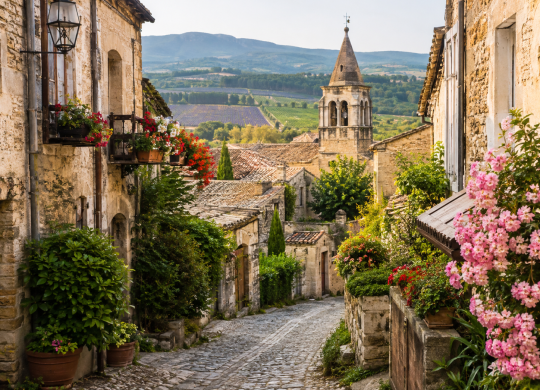
French villages can be just as surprising as Paris, the French Riviera, or the châteaux of the Loire Valley. Among them are villages nestled among lavender fields, Alpine peaks, vineyards, and picturesque river gorges. Learn more about the nine most beautiful villages in France that are worth adding to your upcoming travel itinerary
09 Aug. 2026
More details3 min
Travels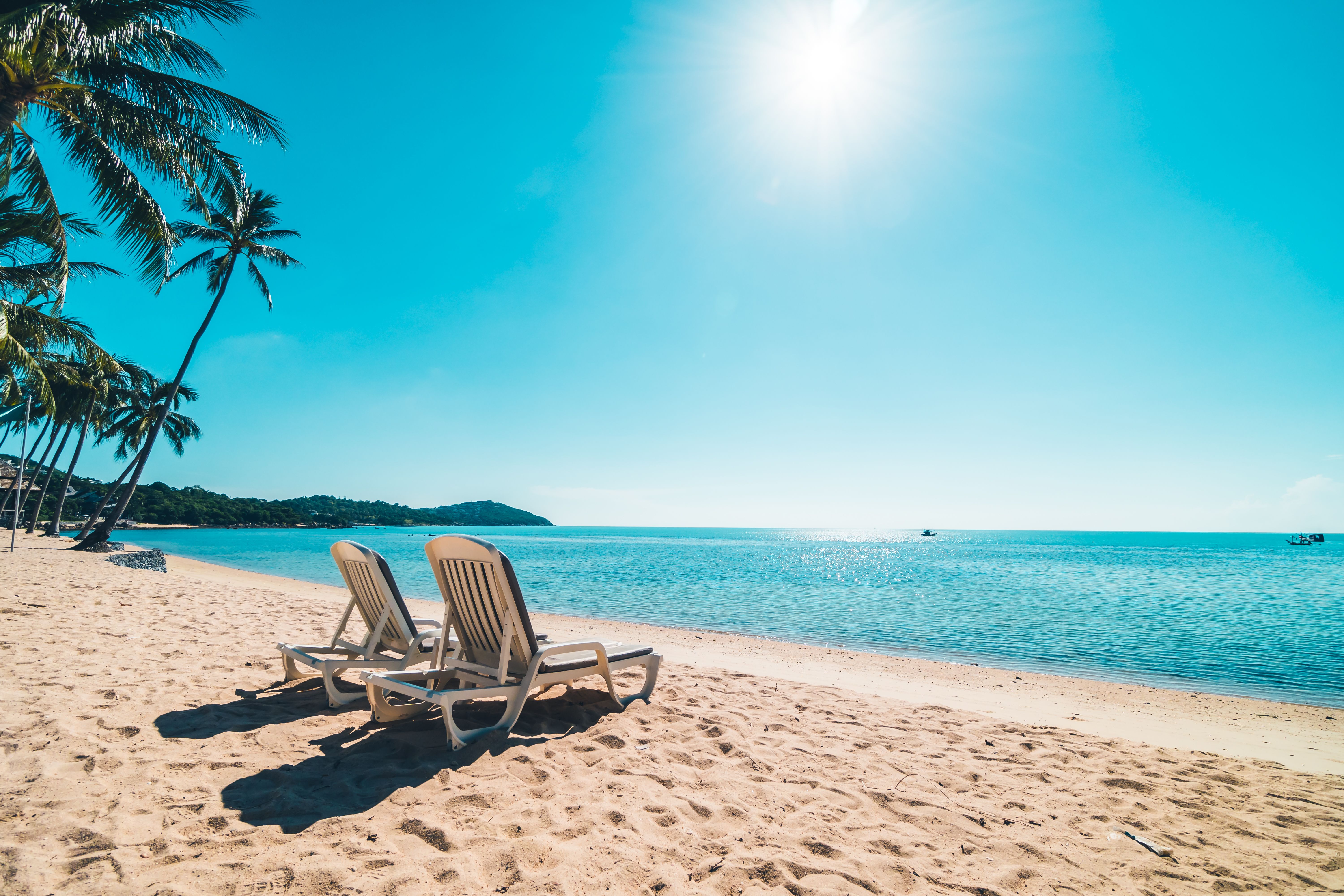
The online platform Hellotickets has released a ranking of the 20 most beautiful beaches in the world, as published by Travel + Leisure magazine. The top beach on the list is distinguished by its unique sand, which doesn’t get hot even in the heat, and the favorites include resorts in Europe, Asia, Africa, and Oceania. Learn more about the top-ranked beach, the selection criteria, and the full list of the top 20
08 Aug. 2026
More details3 min
Travels
5 Underrated European Cities for Budget Travel Without Crowds of Tourists
Popular capital cities aren’t the only option for an exciting vacation in Europe. Poland, Romania, Bosnia and Herzegovina, Greece, and Spain are home to charming cities with affordable accommodations, inexpensive restaurants, and far fewer tourists. Learn more about five underrated destinations and estimated travel costs
15 Aug. 2026
More detailsAll materials and articles are owned by VisitWorld.Today and are protected by international intellectual property regulations. When using materials, approval from VisitWorld.Today is required.