

Eurotunnel EES Checks: Kiosk Cameras Trialled at Folkestone and Calais
The European Commission has approved a two-year trial of camera-linked biometric kiosks at Eurotunnel terminals in Folkestone and Calais. Learn more about how EES registration from the car will work, who it applies to and what drivers should expect

Eurotunnel is preparing airport-style border checks for drivers crossing between Folkestone and Calais. According to The Independent, the European Commission has approved a trial of new cameras that support biometric registration of travellers, which could let motorists complete the procedure without getting out of their cars.
The change matters for anyone driving from the United Kingdom to France on a non-EU passport, including British citizens, as the Entry/Exit System (EES) has still not been fully rolled out at the main Channel crossings.
Planning a drive to Europe through the Channel Tunnel?
New border procedures can mean long queues and changed plans on the road. Travel insurance from Visit World covers medical expenses abroad and helps in unforeseen situations during the trip. Get your policy online before you set off.

What is Eurotunnel testing at the border?
A Eurotunnel spokesperson confirmed that the so-called eagle eye technology will support the future registration process at the terminals on the UK–France border. The operator has proposed extending camera coverage to 75 per cent of the French border to keep traffic moving smoothly.
- Trial period: two years.
- Kiosks: 120 installed under eagle eye cameras on both sides, as reported by The Guardian.
- Locations: Folkestone and Calais terminals.
- Prior use: the technology already operates at airports in Paris and Rome.
How will biometric registration from the car work?
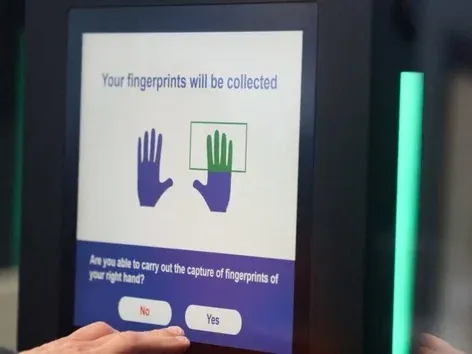
Drivers will pull up to an individual kiosk, where the system reads the passport and takes fingerprints and a facial image. The cameras are linked to the kiosks during biometric enrolment.
The equipment does not replace border police. According to Eurotunnel, border officers remain responsible for verifying and validating travellers' identities.
Yann Leriche, chief executive of Getlink, the owner of Eurotunnel, told The Guardian that the company had tried to replicate the airport experience. He warned the authorities that without such a system many people would go to the wrong place and police would have to move from one spot to another, leaving customers with a poor experience, especially at peak times. In his words, if the experiment works, it will become permanent.
Visit World services for tourists, migrants, and expats: Insurance | Guides | Legal advice
Why has EES not yet fully started at Channel crossings?
The EES requires all third-country citizens, including British passport holders, to give fingerprints and facial images when entering and leaving the Schengen area. France has not yet fully introduced it at Eurostar, the Port of Dover and Eurotunnel.
According to The Independent, ongoing technical problems and fears of long traffic queues have delayed the infrastructure at key UK–EU crossings. Eurotunnel says the trial is part of wider investment in border technology carried out with authorities on both sides of the Channel.
About the full launch of the EES and the new border crossing rules — read more at the link.
What does this mean for travellers?
Drivers using the Channel Tunnel should be ready for biometric registration on their first EES crossing:
- carry a valid passport for every person in the vehicle;
- expect to give fingerprints and a facial image at the kiosk;
- allow extra time, particularly at peak periods, while the trial runs.
Several EU states have also asked Brussels for more time to introduce EES checks, so procedures may differ from one crossing to another.
Queues and new checks at the border are easier to handle when you are covered. Buy Travel insurance online with Visit World before your trip.
We remind you! In our previous article, we wrote about why waiting times at European borders may increase and what changes in EES operations.
Products from Visit World for a comfortable trip:
Travel guide for 200 countries;
Legal advice from a local specialist on visa and migration issues;
Travel insurance around the world (please select the country of interest and citizenship to receive services);
Medical insurance all over the world.
We monitor the accuracy and relevance of our information, so if you notice any errors or inconsistencies, please contact our hotline.
© 2018-2026, Visit World. Use, copying or reprinting of materials on this site is permitted only with a link (hyperlink for online publications) to Visit World. All rights reserved.
Frequantly
asked questions
What is the eagle eye system at Eurotunnel?
How long will the Eurotunnel biometric trial last?
Do British drivers need to give fingerprints at Eurotunnel?
Will cameras replace border officers at the Channel Tunnel?
How many EES kiosks are there at Eurotunnel?
Recommended articles
3 min
Travels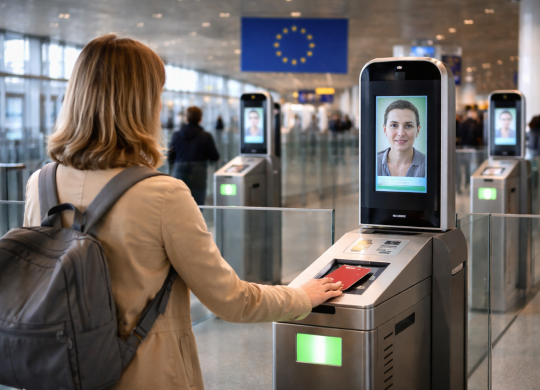
The EU will launch the EES in full operation starting in April 2026: new border crossing rules
The European Union is finalizing the rollout of a new border control system—the Entry/Exit System (EES)—which will be fully operational starting in April 2026. It replaces passport stamps with digital records and biometric data. Learn more about how the border crossing process will change and what you need to consider before your trip
01 Apr. 2026
More details2 min
Air travel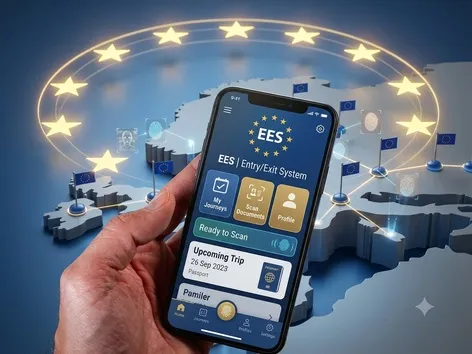
EES Border Checks 2026: Why 9 EU Countries Are Asking Brussels for More Time
Nine European countries have officially asked the European Commission to extend the relaxed regime of the Entry/Exit System (EES) after September 6, 2026. Find out why airports and airlines are criticizing the current control system, what delays occur at the borders and what travelers should consider when planning a trip to the Schengen area
14 Jul. 2026
More details2 min
Air travel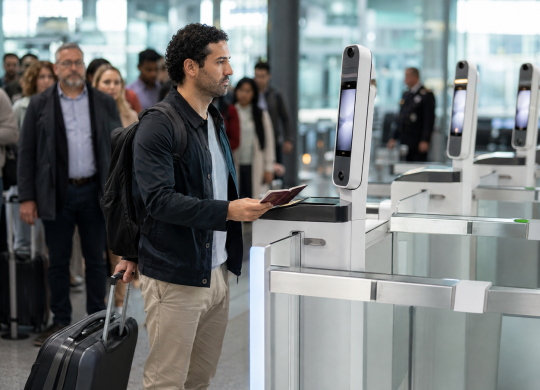
Starting September 6, European countries will no longer have the temporary option to suspend EES biometric registration during periods of excessive border traffic. This may increase the time it takes to go through passport control at airports, seaports, and land border crossings. Learn more about the new rules and how to prepare for your trip
10 Aug. 2026
More details3 min
Travels
Amsterdam Raises Tourist Tax to 16% in 2027: How Much Visitors Will Pay
Amsterdam city council has voted to raise the tourist tax from 12.5% to 16% of the accommodation cost from 1 January 2027. Learn more about which stays are affected, how much a hotel night will cost and why the city is raising the levy
17 Nov. 2026
More detailsAll materials and articles are owned by VisitWorld.Today and are protected by international intellectual property regulations. When using materials, approval from VisitWorld.Today is required.