

Saudi Arabia Opens the 2026–2027 Umrah Season: New Dates, Rules, and Fines
Table of contents
- What is Umrah and how does it differ from Hajj?
- New Umrah season in Saudi Arabia: key dates
- How is Umrah organized now: the role of the Nusuk platform?
- What rules and restrictions apply to pilgrims in 2026?
- Saudi Arabia is increasing fines for visa violations
- New security measures during Hajj and Umrah in 2026
- What should tourists know before traveling for Umrah?
- How to avoid problems during an Umrah trip in 2026?
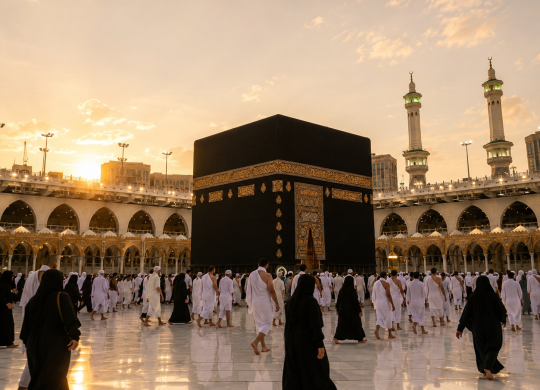
Saudi Arabia has officially announced the start of the 2026–2027 Umrah season and the resumption of visa issuance starting May 31. At the same time, the country’s authorities are tightening controls over compliance with immigration rules, digital permits, and the stay of pilgrims during Hajj and Umrah. Learn more about the new dates, the Nusuk system, entry rules, and the penalties that may apply for visa violations in 2026

Saudi Arabia is continuing its large-scale reform of religious tourism and preparing for the new 2026–2027 Umrah season. The country is gradually transitioning the pilgrimage to a digital format, tightening control over permits, and simultaneously introducing stricter penalties for violations of immigration rules. Against the backdrop of a record influx of pilgrims, authorities are seeking to avoid overloading the infrastructure of Mecca and Medina, as well as to reduce the number of illegal trips during Hajj and Umrah.
The Ministry of Hajj and Umrah has already confirmed the key dates for the new season: Umrah visa issuance will begin on May 31, 2026, and international pilgrims will be able to enter the country starting June 1. At the same time, Saudi Arabia is increasing penalties for visa overstays, illegal stays, and participating in Hajj without an official permit. Certain violations may now result in heavy fines, deportation, and even imprisonment.
Before you go to Saudi Arabia, take care of your safety and comfort.
Visit World travel insurance is reliable protection during your trip: medical expenses coverage, emergency assistance, 24/7 support and the confidence that you will solve any problem without unnecessary expenses. The policy is suitable for all categories of travelers - both for short trips and for longer trips to the countries of the Middle East.

What is Umrah and how does it differ from Hajj?
Umrah is a Muslim pilgrimage to Mecca which, unlike Hajj, is not a mandatory religious rite for all believers. It is often called the “lesser pilgrimage” because it involves fewer rituals and can be performed almost year-round. Every year, Saudi Arabia welcomes millions of pilgrims who come specifically for Umrah, especially during Ramadan and during school and religious holidays.
Hajj, on the other hand, is one of the five pillars of Islam and has strictly defined dates according to the Islamic calendar. Due to the enormous number of people, the Saudi Arabian authorities set annual quotas for different countries and strictly control permits and pilgrims’ travel routes.
Key differences between Umrah and Hajj:
1. Umrah is a voluntary pilgrimage, whereas Hajj is obligatory for Muslims who have the physical and financial ability to perform it;
2. Umrah can be performed almost year-round, except during the short Hajj period;
3. Hajj lasts several days and involves more religious rituals;
4. Strict international quotas and special permits apply to Hajj;
5. Hajj typically requires significantly more complex organization and higher costs.
In recent years, Saudi Arabia has been actively developing the Umrah sector as part of the Vision 2030 program. The country is investing billions of dollars in modernizing airports, high-speed transportation, hotels, and digital services for pilgrims. Authorities plan to increase the number of visitors to Mecca and Medina to tens of millions annually, while simultaneously enhancing security and oversight during religious travel.
We previously reported that Saudi Arabia is introducing mandatory rules on Red Sea beaches starting in 2026.
New Umrah season in Saudi Arabia: key dates
Saudi Arabia is officially launching the 1448 AH Umrah season and gradually opening the country to a new wave of pilgrims from around the world. The Ministry of Hajj and Umrah has already confirmed the key dates for the new season, including the start of visa issuance, the launch of permits via the Nusuk platform, and the beginning of the reception of international pilgrims.
The new season begins almost immediately after the conclusion of Hajj 2026. The country’s authorities emphasize that this year, controls over permits, length of stay, and the legality of travel will be significantly stricter due to the record strain on Saudi Arabia’s religious infrastructure.
Key dates for the 2026–2027 Umrah season:
1. Issuance of Umrah visas begins on May 31, 2026;
2. Arrival of international pilgrims begins on June 1;
3. Permits will be processed through the Nusuk platform;
4. Authorities will set separate deadlines for the completion of pilgrims’ entry and exit closer to the Hajj season;
5. All rules are tied to the Islamic calendar year 1448 AH.
Saudi Arabia expects millions of pilgrims during the upcoming season. That is why the country is continuing a large-scale digitalization of religious tourism to manage the flow of people and avoid overcrowding in Mecca and Medina.
How is Umrah organized now: the role of the Nusuk platform?
Saudi Arabia continues to transition the pilgrimage system to a digital format, and the Nusuk platform remains the primary tool for organizing Umrah. It is through this platform that pilgrims can obtain permits, book visits to religious sites, check the status of their permits, and plan their trip to Mecca and Medina.
The country’s authorities explain the digitalization by the need to control the massive flow of people and avoid overcrowding during peak periods. Following the tragic incidents of recent years, Saudi Arabia has significantly stepped up monitoring of pilgrim numbers and made permits virtually mandatory for access to key religious areas.
Through Nusuk, pilgrims can:
- Apply for an Umrah permit;
- Book a time to visit the holy sites;
- Access official services;
- Check entry requirements;
- Manage their trip booking;
- Receive notifications about changes and restrictions.
For many travelers, Umrah is now accessible not only through a special pilgrimage visa. Saudi Arabia also allows citizens of certain countries to use tourist eVisas to perform Umrah. This is part of the country’s strategy to develop international tourism and simplify access to religious travel.
At the same time, authorities warn that only official platforms and licensed agencies should be used. Due to high demand, fraudulent offers regarding permits or “guaranteed” access to Hajj and Umrah without official permits regularly appear online. In 2026, Saudi Arabia plans to combat such schemes even more actively and strengthen document checks upon entry into the country.
Learn more about the revolutionary digital visa application system, Visa by Profile, in Saudi Arabia by following the link.
What rules and restrictions apply to pilgrims in 2026?
In 2026, Saudi Arabia is further tightening rules for pilgrims during Hajj and Umrah. The country’s authorities explain this by the need to manage record-breaking crowds, enhance security, and prevent illegal stays in the holy cities. Particular emphasis is now placed on permits, official routes, and strict compliance with visa regulations.
One of the main rules remains the mandatory requirement to obtain a permit through the Nusuk platform. Without an official permit, pilgrims may be denied access to certain religious areas or even face fines. The strictest restrictions traditionally apply during the Hajj, when Saudi Arabia monitors every stage of the pilgrims’ movements.
In 2026, the following requirements apply to pilgrims:
- Use of official permits and visas only;
- Booking the trip through licensed services or agencies;
- Compliance with established stay durations;
- Undergoing document checks upon entry into Mecca;
- Prohibition on participating in the Hajj without an official permit;
- Compliance with movement rules in the holy cities.
Authorities are paying special attention to combating illegal pilgrimage organizers. Saudi Arabia reports that some companies and intermediaries sell fake permits or offer “workaround” routes to participate in the Hajj without official authorization. As a result, in 2026, inspections of travel agencies, carriers, and online services that handle religious tours will be intensified.
Additionally, the country is actively using digital monitoring and crowd control systems in Mecca and Medina. This helps regulate the number of people in the most congested areas and respond quickly to risks during large-scale religious events.
Saudi Arabia is increasing fines for visa violations
In 2026, Saudi Arabia will introduce stricter enforcement of visa regulations during the Hajj and Umrah. The country’s authorities warn that overstaying a visa, illegal residence, or participating in the Hajj without a permit will now result in heavy fines, deportation, and imprisonment.
The strictest checks will be conducted in Mecca and Medina during the Hajj season, when the country hosts millions of pilgrims. Authorities explain the new measures as necessary to control crowds and reduce the number of illegal pilgrims.
Violations of the rules in 2026 may result in:
- A fine of up to 50,000 Saudi riyals;
- Imprisonment for up to six months;
- Deportation following the sentence;
- A ban on re-entry into the country;
- Fines for companies and carriers that assist violators.
Separately, Saudi Arabia is stepping up its fight against fake permits and illegal pilgrimage tours. Tourists are urged to use only official platforms and carefully check the validity of their visas to avoid problems during their trip.
In our previous article, we discussed the new rules for obtaining an Umrah visa in Saudi Arabia.
New security measures during Hajj and Umrah in 2026
In 2026, Saudi Arabia is tightening security measures during Hajj and Umrah due to the growing number of pilgrims. The country’s authorities are relying on digital monitoring, permit verification, and restrictions on illegal access to the holy cities.
Special controls will be in place in Mecca and Medina during Hajj. To enter certain areas, pilgrims will need to have a valid permit and documents verified through official systems.
Key security measures in 2026:
- Permit verification via digital systems;
- Entry controls to Mecca;
- Enhanced crowd monitoring at holy sites;
- Combating fake permits and illegal tours;
- Additional checks on travel agencies and carriers;
- Use of crowd management systems to control the flow of people.
Saudi Arabia is also continuing to modernize its infrastructure for pilgrims. The country is investing in transportation, high-speed rail, digital services, and security systems to reduce risks during large-scale religious events.
What should tourists know before traveling for Umrah?
Before traveling to Saudi Arabia, pilgrims are advised to check entry requirements, permits, and visa validity in advance. In 2026, the country’s authorities significantly tightened document controls, so errors in paperwork can result in fines or denial of entry.
You should be especially careful when booking a trip through intermediaries. Saudi Arabia recommends using only official platforms and licensed agencies, as fraudulent schemes involving fake permits traditionally become more active before Hajj and Umrah.
Before the trip, pilgrims are advised to:
- Check the validity of their passport and visa;
- Obtain permits only through Nusuk;
- Book accommodation and transportation in advance due to high demand;
- Avoid illegal intermediaries;
- Be prepared for heat and long lines during peak periods;
- Follow official updates from the Saudi Ministry of Hajj and Umrah.
Tourists should also be aware that temperatures in Mecca often exceed 40°C in the summer. Because of this, the country’s authorities regularly urge pilgrims to follow safety guidelines, avoid prolonged exposure to the sun, and use official transportation between Jeddah, Mecca, and Medina.
We previously reported that Saudi Arabia has introduced a new work permit system.
How to avoid problems during an Umrah trip in 2026?
Due to tighter controls and new regulations, pilgrims are advised to plan their trip to Saudi Arabia well in advance. In 2026, the country’s authorities will be particularly vigilant in checking permits, length of stay, and the legality of tourism services.
Experts recommend not waiting until the last minute to process documents, especially before the peak periods of Hajj and Ramadan, when the system’s workload increases sharply.
To avoid problems during Umrah, you should:
- Use only the official Nusuk platform;
- Check the validity of your visa and permit;
- Do not purchase permits through unofficial intermediaries;
- Book accommodation and transportation in advance;
- Follow updates from the Saudi Ministry of Hajj and Umrah;
- Keep copies of all documents in both digital and paper formats.
Pilgrims are also advised to be prepared for high temperatures, long lines, and possible restrictions during peak days. Due to the record influx of tourists, Saudi Arabia plans to make even more extensive use of digital monitoring and crowd control systems in the holy cities by 2026.
We also advise travelers from Moldova, Ukraine, Ecuador and citizens of other countries to prepare for their trip in advance and use the Visit World Tourist Guide - a convenient tool that helps to understand the visa rules and requirements of different countries. The guide contains:
- Detailed instructions on visa rules and requirements;
- Explanations of documents that may be needed upon entry;
- Tips on safety, transport, accommodation and movement around the country;
- Life hacks for saving and preparing for travel;
- Current information on customs rules, insurance and local regulations.
The guide will be useful not only when traveling to Saudi Arabia, but also when traveling to any country in the world - thanks to universal recommendations and constantly updated information, which allows you to avoid mistakes and prepare as effectively as possible.
Make your trip simple and predictable - choose insurance and a guide from Visit World and travel with confidence.

We remind you! Saudi Arabia is lifting a long-standing ban on the purchase of real estate by foreigners. Starting in 2026, expats will be able to invest in housing without residency, sponsors, and million-dollar investments. We have already talked about the new rules, prospects for investors, and key changes for foreigners in the kingdom.
Products from Visit World for a comfortable trip:
Checklist for obtaining a visa and necessary documents in Saudi Arabia;
Legal advice issues in Saudi Arabia;
Travel insurance for foreigners in Saudi Arabia;
Medical insurance all over the world.
Recommended articles
1 min
Expats
Discover the best volunteer programs abroad for 2026: popular destinations, affordable options, proven organizations and legal advice for international volunteers. Find your perfect project and make a global contribution
22 maj. 2026
More details2 min
Travels
European Night of Museums 2026: Dates, Program & Best Locations to Visit
Museum Night 2026 will take place simultaneously in 30 European countries on May 23. Find out which museums will be open for free, what Paris, Rome, Warsaw and Berlin are preparing, and how to plan the perfect cultural evening abroad
20 maj. 2026
More details2 min
Popular
Unia Europejska przygotowuje się do szerokiej transformacji w kierunku dokumentów cyfrowych na smartfonach. W nadchodzących latach mieszkańcy i turyści w UE będą mogli korzystać z cyfrowych dowodów osobistych i praw jazdy za pośrednictwem jednego systemu o nazwie Europejski Portfel Tożsamości Cyfrowej. Dowiedz się więcej o tym, jak będą działać nowe dokumenty cyfrowe i co zmieni się dla podróżnych w Europie
20 maj. 2026
More details2 min
Transport
Ile kosztuje transport publiczny w europejskich stolicach: porównanie cen
Koszt transportu publicznego w Europie nadal rośnie, ale różnica między stolicami pozostaje znacząca. Podczas gdy miesięczny bilet w Bukareszcie czy Budapeszcie kosztuje mniej niż 20–25 euro, wydatki na transport w Londynie mogą przekroczyć 250 euro miesięcznie. Ceny zależą nie tylko od poziomu dochodów, ale także od systemu transportowego, dotacji i popularności miasta wśród turystów. Dowiedz się więcej o tym, ile kosztuje transport publiczny w różnych europejskich stolicach i gdzie pozostaje najtańszy
21 maj. 2026
More detailsAll materials and articles are owned by VisitWorld.Today and are protected by international intellectual property regulations. When using materials, approval from VisitWorld.Today is required.