

Global Travel Safety Guide 2026: What Every Tourist Should Know
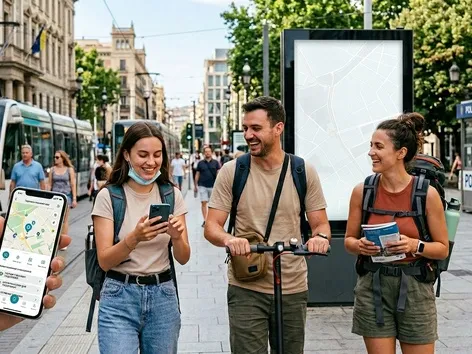
Travel safety in 2026 depends on preparation, mindfulness, and good decisions. Learn about basic rules, insurance, risks in different countries, and emergency actions

In 2026, travel remains affordable and popular, but the level of risk has changed. The modern tourist faces not only traditional threats such as theft or fraud, but also digital risks, geopolitical changes and climate factors.
Safe travel today is a combination of preparation, awareness and the right decisions on the road. According to experts, the key to safety is not avoiding travel, but competent planning and adaptation to new conditions.
Health insurance is an easy way to protect yourself from unforeseen expenses while traveling.
Order a basic policy and get help abroad without unnecessary stress!

Basic rules for safety when traveling 2026
Regardless of the country or budget, there are universal rules that help minimize risks:
- Always research the country before traveling.
- Keep copies of documents (online and offline).
- Do not display valuables in public places.
- Avoid dangerous areas, especially at night.
- Inform loved ones about your route.
Special attention should be paid to digital security. In 2026, scammers are actively using public Wi-Fi, QR codes and fake messages to access tourists' data. Therefore, it is important to use a VPN, not enter bank details on open networks, and turn off Bluetooth and auto-connect.
Europe is undoubtedly one of the most beautiful and peaceful continents in the world, but it also faces problems with crime and violence. We have already told you which countries are the most dangerous in 2026.
Travel insurance 2026: a basic necessity, not a formality
A few years ago, travel insurance was often perceived as a formality for obtaining a visa. In 2026, it is already a full-fledged tool for financial protection.
Medical services abroad remain expensive, and even a minor situation can turn into serious expenses. That is why today's insurance policy covers not only basic treatment, but also hospitalization, transportation, and sometimes even evacuation.
It is especially important to choose the right coverage. For Europe, an average level of insurance is considered sufficient, while for trips to the USA, Canada or Asia, the amounts should be much higher.
In fact, insurance in 2026 is not “just in case”, but a mandatory element of any responsible trip.
Risks in different regions of the world
The level of safety during travel in 2026 largely depends on the region, and this is one of the key things in any modern tourist safety guide.
Today, experts assess security not only by the level of crime, but comprehensively - taking into account political stability, conflicts, medicine and even the level of trust in society.
The most authoritative indicator remains the Global Peace Index (GPI), which evaluates 163 countries according to 23 criteria - from the level of violence to military spending. The lower the index, the safer the country. In 2025–2026, the world leaders remain:
Top 10 safest countries (GPI 2025)
Iceland – 1.10
Ireland – 1.26
New Zealand – 1.28
Austria – 1.29
Switzerland – 1.29
Singapore – 1.36
Portugal – 1.37
Denmark – 1.39
Slovenia – 1.41
Finland – 1.42
These countries are consistently included in the list of safe countries to travel due to their low crime rate, high quality of life, and efficient work of state institutions. For example, Iceland has held the first place for more than 15 years in a row, and the level of violent crime there is almost zero.
Where to flee in the event of World War III, read here.
The safest countries in Latin America in 2026 in this article.
At the same time, it is important to understand that even in the safest countries, tourists most often face not serious threats, but everyday risks - theft, fraud or health problems. That is why basic travel safety tips remain relevant regardless of the destination.
On the other hand, the global situation in the world has become more complicated. In 2025, the highest level of conflicts in recent decades was recorded, and the overall level of peace in the world is gradually decreasing. This means that it is important for tourists to monitor the news and official recommendations more closely before traveling.
It is worth considering regional characteristics separately. For example, in Europe, risks are usually associated with tourist areas and pickpocketing, while in some Asian countries - with transport or urban congestion. In regions with an unstable situation, political factors and security restrictions come to the fore.
Another important trend is climate risks. Heat, floods or storms are increasingly affecting travel safety, and this is already part of the modern tourist safety guide.
In short, safe travel in 2026 is not only about choosing the right country, but also understanding the numbers, context and potential risks. Even in countries with the highest safety ratings, the behavior of the tourist himself plays a key role.
Visit World services for tourists, migrants, and expats: Insurance | Guides | Legal advice
Independent travel: freedom and responsibility
The solo travel format has become even more popular in 2026. People travel independently for the sake of freedom, flexibility and new experiences. But at the same time, the level of responsibility is also increasing.
The main feature of such trips is the lack of “safety net”. Therefore, all decisions, from choosing accommodation to moving around the city, need to be made more thoughtfully. Reliable booking services, proven routes and basic caution become key safety tools.
It is also important to stay “in touch” with loved ones. This is not about control, but about basic safety: in case of an unforeseen situation, someone should know where you are.
What to do in an emergency?
Even a perfectly planned trip does not guarantee a complete absence of problems. That is why it is important for a tourist not only to avoid risks, but also to understand what to do if something goes wrong.
In most cases, the algorithm of actions is quite simple: contacting local services, contacting the consulate and using an insurance policy. Having copies of documents greatly simplifies the recovery process, and pre-saved contacts help not to waste time in a stressful situation.
The most important thing is to remain calm. Panic often complicates even simple situations, while clear actions allow you to quickly solve the problem.
Having an insurance policy greatly simplifies any emergency situation, allowing you to get help quickly and without unnecessary financial risks.
Travel safety in 2026 is a balance between freedom and responsibility. The world remains open, but requires greater awareness from tourists. Preparation, attention to detail and basic knowledge of risks allow not only to avoid problems, but also to make the trip truly comfortable. And most importantly - safe.
Reminder! Where in Europe can you feel calm in 2025? Find out which countries are considered the most dangerous in Europe in 2025. The Global Peace Index (GPI) rating shows where the level of violence, conflict and instability is highest, as well as what factors affect security in different regions of the continent
Photo - generated by Gemini
Products from Visit World for a comfortable trip:
Travel guide for 200 countries;
Legal advice from a local specialist on visa and migration issues;
Travel insurance around the world (please select the country of interest and citizenship to receive services);
Medical insurance all over the world.
We monitor the accuracy and relevance of our information, so if you notice any errors or inconsistencies, please contact our hotline
Frequantly
asked questions
Should I check out a country before traveling?
What’s more important: insurance or planning?
How do you know if an area is unsafe?
Recommended articles
2 min
Popular
The safest countries in the world during World War III: where to go?
Some countries are island states with political neutrality, which means that the likelihood of a military conflict is quite low. Learn more about the countries that are likely to participate in World War III and the top safest countries in the world
09 Feb. 2026
More details2 min
Travels
Vietnam Digital Arrival Card 2026: New Entry Rules in Ho Chi Minh City
Vietnam is changing entry rules for tourists. Learn how the digital arrival card works, who needs it, and how to prepare for your trip
29 Apr. 2026
More details4 min
Expats
Where Can You Travel With Your Passport? Full Guide by Citizenship
In 2026, passport power reached a record gap between the world’s strongest and weakest passports. The Henley Passport Index has recorded significant changes: the rise of Asian and Middle Eastern passports, the weakening of the positions of the US and the UK, as well as new entry rules for Europe. Learn more about where you can travel with your passport and what has changed in visa regulations
02 May. 2026
More details1 min
Expats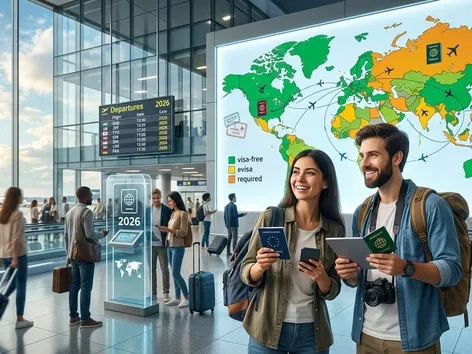
Visa Requirements by Country 2026: Complete Global Guide for Travelers
Visa rules are changing and becoming more digital in 2026, find out what types of visas exist, what requirements apply in different countries and how to prepare for your trip
02 May. 2026
More detailsAll materials and articles are owned by VisitWorld.Today and are protected by international intellectual property regulations. When using materials, approval from VisitWorld.Today is required.