

Travel to Ireland: what tourists need to know

Planning a trip to Ireland requires an understanding of visa requirements, customs regulations, and the specifics of traveling on an island with left-hand traffic. Entry rules for foreign tourists have their own nuances, as the country is not part of the Schengen Area and has its own visa policy. Learn more about the required documents, the transportation system, car rentals, and Ireland’s most popular tourist destinations
Ireland remains one of Europe’s most popular tourist destinations thanks to its natural attractions, historic castles, vibrant culture, and English-speaking environment. Every year, the country welcomes millions of visitors from all over the world. Entry requirements, customs regulations, and the specifics of traveling on the country’s roads have their own nuances, which are worth reviewing in advance.
In this article, we’ll cover visa requirements, necessary documents, luggage regulations, the country’s transportation system, car rental rules, and the most interesting places to visit.
Are you planning your first trip to Ireland and not sure where to start when preparing your documents?
The Ireland travel guide from the Visit World portal includes up-to-date visa requirements for citizens of various countries, a step-by-step guide to obtaining entry permits, and ready-made itineraries for cities and national parks.

Entry Rules for Foreign Tourists in Ireland
Ireland is a member of the European Union but is not part of the Schengen Area. The country has its own visa policy and separate border controls. A Schengen visa does not grant entry to Ireland—citizens of countries subject to visa requirements must apply for an Irish visa specifically.
Visa-free entry for tourism purposes for up to 90 days is available to citizens of EU and EEA countries, the United Kingdom, the United States, Canada, Australia, New Zealand, Japan, South Korea, and a number of other countries. Citizens of countries in Africa, the Middle East, South Asia, and Southeast Asia generally require a short-term “C” visa. The current list of countries subject to visa requirements is published by the Irish Immigration Service on its official website, inis.gov.ie.
The ETIAS system, which is being introduced for the Schengen Area, does not apply to Ireland. However, the Irish government is developing its own Electronic Travel Authorization (IrETA) system for certain categories of visa-exempt travelers. The current status of this system’s implementation and the list of countries it will apply to should be checked on the official website of the Irish Department of Foreign Affairs (dfa.ie) before planning your trip.
Ireland’s best tourist attractions — are listed in this article.
What documents are required to enter Ireland?
The primary document required to cross the border is a foreign passport valid for at least six months beyond the planned date of departure from the country. Every passenger, including infants and children, must have their own passport—a child cannot be included in a parent’s passport. Irish border officials have the right to deny entry if proper documentation is not provided.
In addition to a passport, travelers should prepare additional supporting documents that demonstrate the purpose of the trip and its temporary nature:
- a return ticket or a ticket for onward travel;
- confirmation of a hotel reservation or other accommodations;
- proof of sufficient financial means for the duration of the stay;
- health insurance covering the entire duration of the trip;
- an invitation from the host party (if available);
- for citizens of visa-required countries—a valid short-term “C” visa.
The maximum length of stay on a tourist visa or under the visa-free regime is 90 days. Extending your stay in Ireland is possible only in exceptional cases through the relevant immigration authorities. Attempting to seek employment without a separate permit is grounds for denial of entry and a possible ban on re-entry into the country for up to 5 years.
Visit World services for tourists, migrants, and expats: Insurance | Guides | Legal advice
Ireland’s Customs Regulations and Conditions for Carrying Personal Belongings
Ireland uses a color-coded customs channel system at all major airports and seaports: green—for passengers with no goods to declare; red—for those carrying goods exceeding the allowance or cash amounts of 10,000 euros or more; blue—for arrivals from other EU countries.
Customs officers from the Revenue Commissioners have the right to conduct random inspections in all areas.
For travelers arriving from outside the EU, the following duty-free allowances for personal goods apply (according to official data from revenue.ie):
- personal items of a non-commercial nature valued at up to 430 euros for an adult passenger;
- personal items valued at up to 215 euros for children under 15 years of age;
- alcohol: 1 liter of spirits over 22% ABV or 2 liters of other alcoholic beverages, plus 4 liters of wine and 16 liters of beer;
- tobacco: 200 cigarettes, or 100 cigarillos, or 50 cigars, or 250 grams of tobacco (for persons aged 17 and older);
- cash in excess of 10,000 euros must be declared.
It is strictly prohibited to import meat, dairy products, and products made from them from countries outside the EU, as well as unlicensed firearms, narcotics, counterfeit goods, specimens of endangered species, and prescription medications without documentary evidence of their intended use. Starting December 9, 2025, new restrictions on the import of tobacco products in excess of the allowed limit will take effect. Violations of customs regulations result in the confiscation of goods, fines, and potential criminal prosecution.
How to move to Ireland in 2026— we explain it here.
Transportation in Ireland: How to Get Around the City and the Country?
Dublin has a well-developed public transportation network, including Dublin Bus, Luas trams, the DART commuter rail, and Irish Rail commuter trains. It’s convenient to pay for fares using the contactless Leap Card, which offers a 30–40% discount compared to cash fares. For tourists, there’s a special Leap Visitor Card with a fixed price for unlimited trips.
Current Leap Visitor Card fares for 2026: approximately 8 euros for 1 day, 19–22 euros for 3 days, and 40 euros for 7 days. The card covers Dublin Bus, both Luas lines, DART, commuter trains within Dublin, and the Airlink 747 bus from the airport to the city center.
About the most dangerous cities for tourists — read more at the link.
Renting a Car in Ireland and the Validity of Foreign Driver’s Licenses
Ireland drives on the left, which drivers from right-hand-traffic countries should keep in mind. The minimum age for renting a car with most companies is 25; some rental companies allow rentals starting at age 21 for an additional fee. To rent a car, you must present a valid driver’s license, passport, and credit card to authorize a security deposit.
The rules for recognizing foreign driver’s licenses depend on the country of issuance:
- licenses from EU and EEA countries are valid in Ireland for their entire period of validity;
- licenses from the U.S., Canada, Australia, New Zealand, the United Kingdom, Japan, and other “recognized countries” are valid for tourists for stays of up to 12 months;
- holders of licenses written in non-Latin alphabets (Cyrillic, Arabic, Japanese, Korean, etc.) must have an International Driver’s Permit (IDP) in addition to their national license;
- for licenses from countries not party to the Geneva or Vienna Conventions, an official English translation is required.
See also: Top 10 Countries with the Highest Growth in International Tourism.
Top Places in Ireland That Tourists Should Visit
Dublin is the capital and the main gateway for most tourists. It is home to Trinity College with the Book of Kells, the Guinness Storehouse—the country’s most-visited paid attraction—the 13th-century Dublin Castle, the Temple Bar pub district, and bustling Grafton Street. The compact historic center of the capital can be explored on foot in two to three days.
Ireland’s natural attractions are concentrated mainly on the west coast, along the Wild Atlantic Way tourist route. Among the most popular places to visit are:
- The Cliffs of Moher in County Clare—over 1 million visitors annually;
- the Ring of Kerry—a 179-kilometer loop road through the picturesque landscapes of the Iveragh Peninsula;
- Killarney National Park—a national park featuring lakes, forests, and a medieval abbey;
- the Dingle Peninsula—a peninsula with the scenic Slea Head Drive;
- Connemara National Park — the mountainous landscapes of County Galway;
- the Aran Islands and Skellig Michael (a UNESCO World Heritage Site featuring a 6th-century monastery);
- Slieve League — one of Europe’s tallest sea cliffs in County Donegal.
Order a travel guide to Ireland from Visit World!
Entry rules, visa requirements, customs regulations, and transportation fares are updated regularly.
The specialized travel guide to Ireland from the Visit World portal contains up-to-date information on visa requirements for citizens of your country, a step-by-step guide to preparing documents, budgeting tips, the best travel itineraries, and practical advice from travel experts.
Order the guide on the Visit World website and plan your trip to Ireland with confidence!
Reminder! In our previous article, we wrote about the most beautiful villages in France that are worth visiting at least once in a lifetime.
Photo: Magnific
Products from Visit World for a comfortable trip:
Checklist for obtaining a visa and necessary documents in Ireland;
Legal advice on immigration to Ireland;
Travel insurance for foreigners in Ireland;
Medical insurance all over the world.
Frequantly
asked questions
Do I need a visa to enter Ireland?
Is Ireland part of the Schengen Area?
Recommended articles
3 min
Travels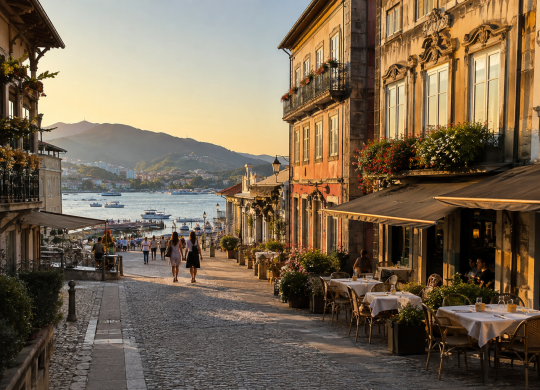
Popular European capitals often mean high prices, crowded streets, and long lines at major attractions. However, Europe has plenty of lesser-known cities with distinctive architecture, affordable accommodations, interesting cuisine, and a more relaxed atmosphere. Learn more about five destinations for budget-friendly travel without the large tourist crowds
08 Aug. 2026
More details3 min
Travels
French villages can be just as surprising as Paris, the French Riviera, or the châteaux of the Loire Valley. Among them are villages nestled among lavender fields, Alpine peaks, vineyards, and picturesque river gorges. Learn more about the nine most beautiful villages in France that are worth adding to your upcoming travel itinerary
09 Aug. 2026
More details2 min
Travels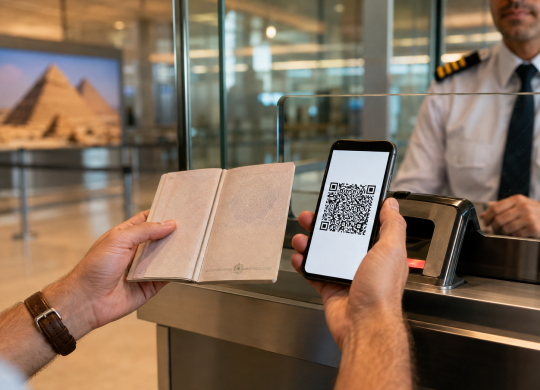
Egypt Launched a Digital Visa for Tourists on August 1: How the New System Works
Starting August 1, 2026, tourists arriving in Cairo can obtain a visa upon arrival in the form of a QR code. Learn more about the cost of the digital visa, the code’s validity period, and the restrictions of the new system
07 Aug. 2026
More details3 min
Travels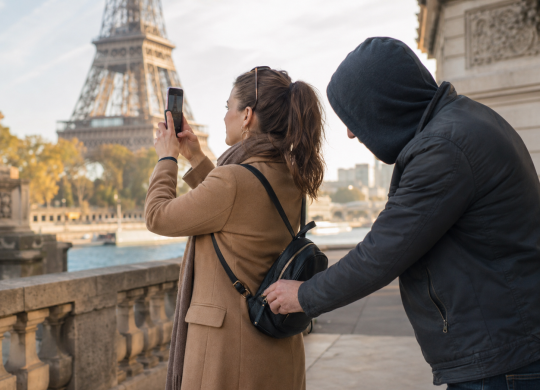
The Most Dangerous Cities for Tourists: Where Theft and Fraud Are Widespread
Paris, Las Vegas, and New York topped a new ranking of tourist destinations with a high risk of theft and fraud. Learn more about the top ten cities, dangerous tourist spots, and ways to protect your personal belongings while traveling
09 Aug. 2026
More detailsAll materials and articles are owned by VisitWorld.Today and are protected by international intellectual property regulations. When using materials, approval from VisitWorld.Today is required.