

Europe is introducing mandatory driver-monitoring cameras: new rules for cars
Table of contents
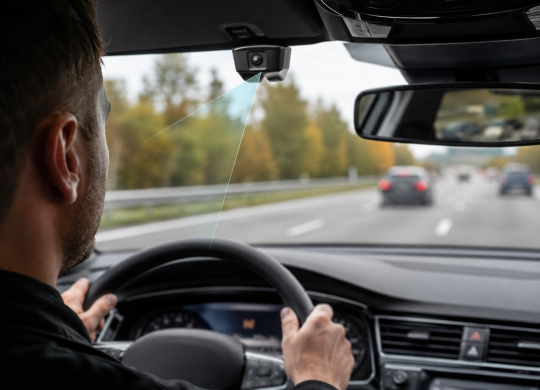
The European Union is preparing new, stricter regulations for cars: starting in July 2026, all new vehicles will be required to have driver attention monitoring systems. Cameras and sensors will track eye movement, fatigue, and distractions while driving, and the car will issue warnings in case of danger. Learn more about how the new technologies will work and who will be affected by the changes

Europe is preparing for major changes for drivers: starting in July 2026, all new cars in the EU will be required to have built-in driver attention monitoring systems. Cameras inside the vehicle will analyze the driver’s behavior and respond if the driver is distracted from the road for too long or shows signs of fatigue.
The European Union explains that such technologies are intended to help reduce the number of traffic accidents and road deaths, as inattention and cell phone use remain among the leading causes of accidents. The new requirements will apply to passenger cars, buses, trucks, and commercial vehicles. However, no additional mandatory retrofits are required for vehicles already registered.
When planning a trip by car, you should take care not only of the route and accommodation, but also of financial protection on the way. Green Card is an international car insurance that is valid in many countries and helps to avoid significant costs in the event of road incidents. By applying for a policy online through Visit World, you can save time and go on a trip with a greater sense of confidence and peace of mind.

What new rules is the EU introducing for cars in 2026?
The European Union is officially tightening vehicle safety requirements. Starting July 7, 2026, all new vehicles registered for the first time in the EU must be equipped with built-in driver attention monitoring systems. This applies not only to premium models—the new standards will cover virtually all vehicle categories, including passenger cars, buses, trucks, and commercial vans.
The main reason for this change is the sharp rise in accidents caused by fatigue, smartphone use, and inattention while driving. According to the European Commission, human error remains the primary cause of most traffic accidents in Europe. That is why the EU is relying on technologies that can warn drivers of danger in a timely manner.
The new systems will operate automatically and continuously analyze the driver’s behavior. If the vehicle detects that the driver has not been looking at the road for too long or is showing signs of drowsiness, the system will issue an audible or visual warning signal.
In fact, the European Union is gradually transitioning the automotive industry toward the concept of “smart safety,” where a vehicle not only reacts to an emergency situation but also attempts to prevent it before danger arises. That is why, along with driver attention monitoring cameras, other electronic driver assistance systems are also becoming mandatory in new cars: from automatic emergency braking to intelligent speed control.
In the previous article, we talked about the TOP-10 tourist destinations according to Time Out, which are definitely worth visiting in 2026.
How will the driver attention monitoring system work?
New technologies in EU vehicles are based on a combination of cameras, sensors, and software that analyzes a driver’s behavior in real time. The system’s main task is to detect in time if the driver is distracted, tired, or at risk of losing control of the vehicle.
What data will the car analyze?
A special camera inside the cabin will monitor the driver’s face and movements. The system will analyze several parameters simultaneously:
- Direction of gaze;
- Eye movement;
- Head position;
- Blink rate;
- Signs of drowsiness or loss of concentration;
- Prolonged smartphone use while driving.
For example, if a person looks at their phone for too long or takes their eyes off the road, the car will interpret this as a potentially dangerous situation.
When will the system issue a warning?
The new EU regulations already specify approximate thresholds for the system’s response. If the driver does not look at the road for more than 6 seconds at speeds between 20 and 50 km/h, the car will issue a warning. At speeds above 50 km/h, the system will react even faster—in about 3.5 seconds.
Warnings may vary depending on the car model:
- A loud audible signal;
- Flashing indicators on the dashboard;
- Steering wheel vibration;
- A message on the multimedia system screen.
In some modern cars, the system can also automatically prepare the vehicle for emergency braking if the driver does not respond to the signals.
At the same time, the EU emphasizes that these technologies should not completely replace human control over the vehicle. The ultimate responsibility for safe driving will still rest with the driver.
You can learn more about the TOP 10 little-known destinations for crowd-free travel in 2026 here.
Which safety systems will become mandatory in new cars?
Driver attention monitoring cameras are just part of a large-scale EU program to improve road safety. Along with them, new cars will be required to include a range of electronic driver assistance systems. Most of these are already used in modern models, but their installation will now be mandatory for all new cars entering the EU market.
One of the key technologies will be the automatic emergency braking system. It analyzes the traffic situation ahead of the vehicle and can apply the brakes on its own if the driver fails to react to a hazard. This is particularly important in urban traffic, where a large number of accidents occur due to inattention or delayed reaction.
Lane-keeping assist will also become mandatory. If the car accidentally drifts out of its lane without the turn signal activated, the system will alert the driver or even slightly correct the steering.
Another important technology is intelligent speed control. The car will read road signs and alert the driver if they are exceeding the speed limit. In some models, the system may even automatically limit acceleration.
Other new mandatory safety features include:
- Pedestrian and cyclist detection system;
- Emergency stop signal during sudden braking;
- Rear parking sensors;
- Vehicle preparation for the installation of an ignition interlock device;
- Improved passenger protection systems in the event of a side impact.
The EU believes that the comprehensive use of such technologies will help significantly reduce the number of fatal traffic accidents in the coming years. According to European Commission estimates, the new safety standards could save tens of thousands of lives by the end of the decade.
In the article at the link, we have provided useful tips to help you save money while traveling in Europe in 2026.
Which vehicles are subject to the new requirements?
The new EU rules are not limited to passenger cars. Requirements for mandatory driver attention monitoring systems and other electronic aids will apply to virtually all new vehicles undergoing initial registration in EU countries after July 7, 2026.
The following fall under the new standards:
- Passenger cars;
- Electric vehicles;
- Commercial vans;
- Buses;
- Trucks;
- Certain types of specialized vehicles.
The EU is paying particular attention to freight and passenger transport, as accidents involving large vehicles often have the most severe consequences. That is why even stricter requirements regarding driver assistance and fatigue monitoring systems may apply to buses and trucks.
At the same time, it is important to understand that the new rules do not mean that all vehicles in Europe must be retrofitted. The requirements apply only to new vehicles entering the EU market for the first time after the regulation takes effect.
This means that owners of previously registered vehicles will be able to continue using their vehicles without installing additional cameras or sensors. However, over time, the proportion of vehicles with such systems on European roads will gradually increase, as all new models will be required to meet the updated safety standards.
Will it be necessary to install cameras in cars already purchased?
One of the main questions on the minds of drivers in Europe is whether they will have to retrofit cars they have already purchased to meet the new EU requirements. As of now, the answer is no. The new rules apply only to vehicles that will be registered for the first time in the European Union after July 7, 2026.
Owners of older cars will not need to install additional cameras, sensors, or driver attention monitoring systems. If a car was registered earlier and met the standards in effect at the time of manufacture, it can be used as is.
At the same time, the situation will be different for those planning to buy a new car after the regulation takes effect. Virtually all new models sold in the EU will already have built-in driver monitoring systems and other electronic assistants.
Experts also predict that the new requirements may affect car prices. Due to additional equipment and more complex production technologies, prices for new cars in Europe may rise. This will be felt most acutely in the budget segments of the market, where even a slight price increase significantly impacts the final price for the buyer.
In addition, the new standards may gradually transform the car rental market as well. Rental companies will be updating their fleets with new models, so tourists and foreign visitors will increasingly use cars equipped with automated driver-monitoring systems in the coming years.
Traveling by car through several countries requires not only good route planning, but also thoughtful insurance preparation. Having a Green Card reduces financial risks in case of road incidents and simplifies interaction with insurance services abroad. Through Visit World, you can quickly apply for a policy online and focus on your trip, not on the bureaucratic nuances on the road.
We remind you! Every year, tourism experts choose places that deserve the title of modern “wonders of the world” not for their big names, but for their real experiences, unique nature, and cultural value. The 2026 list includes little-known national parks, ancient cities, and remote islands where tourism has not yet spoiled the atmosphere. Read more about the seven destinations you should add to your travel plans now.
Products from Visit World for a comfortable trip:
Travel guide for 200 countries;
Legal advice from a local specialist on visa and migration issues;
Travel insurance around the world (please select the country of interest and citizenship to receive services);
Medical insurance all over the world.
We monitor the accuracy and relevance of our information, so if you notice any errors or inconsistencies, please contact our hotline
Recommended articles
2 min
Travels
European Night of Museums 2026: Dates, Program & Best Locations to Visit
Museum Night 2026 will take place simultaneously in 30 European countries on May 23. Find out which museums will be open for free, what Paris, Rome, Warsaw and Berlin are preparing, and how to plan the perfect cultural evening abroad
20 maj. 2026
More details3 min
Travels
Kontrole graniczne w strefie Schengen w 2026 roku: Które kraje sprawdzają dokumenty na granicach
W 2026 roku 11 europejskich krajów tymczasowo przywróci kontrole graniczne na wewnętrznych granicach strefy Schengen. Środki te są odpowiedzią na presję migracyjną, zagrożenia bezpieczeństwa oraz ważne wydarzenia międzynarodowe. Dowiedz się więcej, które kraje wprowadziły kontrole graniczne, gdzie są one stosowane i jak wpłynie to na podróże w Europie
19 maj. 2026
More details2 min
Popular
Unia Europejska przygotowuje się do szerokiej transformacji w kierunku dokumentów cyfrowych na smartfonach. W nadchodzących latach mieszkańcy i turyści w UE będą mogli korzystać z cyfrowych dowodów osobistych i praw jazdy za pośrednictwem jednego systemu o nazwie Europejski Portfel Tożsamości Cyfrowej. Dowiedz się więcej o tym, jak będą działać nowe dokumenty cyfrowe i co zmieni się dla podróżnych w Europie
20 maj. 2026
More details2 min
Transport
Ile kosztuje transport publiczny w europejskich stolicach: porównanie cen
Koszt transportu publicznego w Europie nadal rośnie, ale różnica między stolicami pozostaje znacząca. Podczas gdy miesięczny bilet w Bukareszcie czy Budapeszcie kosztuje mniej niż 20–25 euro, wydatki na transport w Londynie mogą przekroczyć 250 euro miesięcznie. Ceny zależą nie tylko od poziomu dochodów, ale także od systemu transportowego, dotacji i popularności miasta wśród turystów. Dowiedz się więcej o tym, ile kosztuje transport publiczny w różnych europejskich stolicach i gdzie pozostaje najtańszy
21 maj. 2026
More detailsAll materials and articles are owned by VisitWorld.Today and are protected by international intellectual property regulations. When using materials, approval from VisitWorld.Today is required.