

The 7 Most Beautiful Airports in the World in 2026: The Prix Versailles Ranking
Table of contents
-
The World’s Most Beautiful Airports of 2026 According to the Prix Versailles
- 1. Lokapriya Gopinath Bordoloya International Airport, Terminal 2 (Guwahati, India)
- 2. Techo International Airport (Phnom Penh, Cambodia)
- 3. Navi Mumbai International Airport, Terminal 1 (India)
- 4. Frankfurt Airport, Terminal 3 (Frankfurt am Main, Germany)
- 5. Baiyun International Airport, Terminal 3 (Guangzhou, China)
- 6. Pittsburgh International Airport (USA)
- 7. San Diego International Airport, Terminal 1 (United States)
- What trends are shaping the architecture of modern airports?
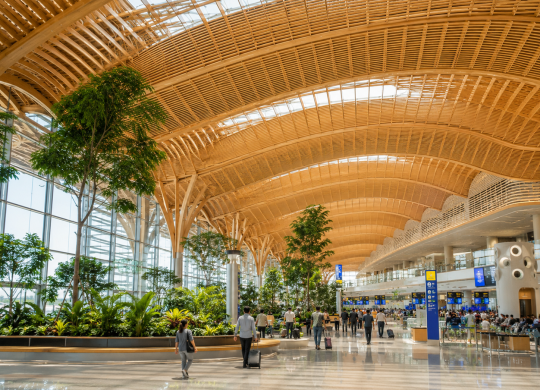
The Prix Versailles International Architecture Award, presented annually under the auspices of UNESCO, has released its list of the world’s most beautiful airports for 2026. The ranking includes seven new or completely renovated terminals that combine modern design, eco-friendly solutions, and passenger comfort. Find out which airports have become global architectural landmarks this year

Modern airports have long since ceased to be mere transportation hubs. Today, they serve as national landmarks, showcasing engineering achievements, local culture, and new standards in sustainable construction. It is precisely these kinds of projects that are recognized each year by the international Prix Versailles award, held under the auspices of UNESCO and considered one of the most prestigious awards in the field of architecture and design.
The list of World’s Most Beautiful Airports 2026 includes seven airports and terminals from North America, Europe, and Asia. Experts evaluated not only the buildings’ appearance but also their functionality, integration into the surrounding environment, use of sustainable technologies, passenger comfort, and ability to reflect the region’s cultural identity.
In this article, we’ll explore which airports made it onto the prestigious 2026 list and how each one impressed the international jury.
In our previous article, we discussed how to choose safe accommodation, avoid mistakes, and book a hotel without unnecessary expenses.
Planning a trip abroad and want to protect yourself from unforeseen situations?
Travel insurance from Visit World will cover medical expenses, flight delays, and lost luggage in any country. Get a policy online in a few minutes and travel with confidence!

The World’s Most Beautiful Airports of 2026 According to the Prix Versailles
This year, seven airports and terminals from Asia, Europe, and North America made it onto the prestigious Prix Versailles list. All of them demonstrate a new approach to aviation infrastructure design: modern architecture is combined with energy-efficient solutions, local cultural traditions, and passenger comfort.
1. Lokapriya Gopinath Bordoloya International Airport, Terminal 2 (Guwahati, India)
Terminal 2 at Guwahati Airport has become one of the most striking examples of how modern architecture can convey a region’s cultural identity. The project was designed by Indian architect Nuru Karim, who drew inspiration from the nature of Assam and local traditions.
The building’s design references the bamboo orchid—a symbol of biodiversity in northeastern India. The high vaulted ceilings and undulating interior lines echo the course of the Brahmaputra River and its tributaries, while the design incorporates works by local artists, traditional crafts, and elements of indigenous cultures.
In addition to the architecture, the Prix Versailles jury commended the project’s eco-friendly approach. The terminal makes extensive use of bamboo, natural lighting, and principles of biophilic design, which help reduce energy consumption and make the space more comfortable for passengers.
2. Techo International Airport (Phnom Penh, Cambodia)
The new Techo International Airport, located approximately 20 km from the center of Phnom Penh, is one of the largest infrastructure projects in Cambodia’s history. It covers an area of about 2,600 hectares, and the first phase is capable of handling 15 million passengers per year, with the potential to expand to 45–50 million in the future.
The project was designed by the world-renowned British architectural firm Foster + Partners. Its most distinctive feature is a massive wave-like roof supported by tree-shaped columns. The ceiling replicates traditional Cambodian bamboo and rattan weaving, and the interior features rumdow trees—the country’s national symbol.
The architects also prioritized energy efficiency: the design provides natural ventilation, maximizes the use of daylight, and reduces the need for artificial cooling and lighting—which is particularly important in a tropical climate.

3. Navi Mumbai International Airport, Terminal 1 (India)
The new Navi Mumbai Airport is designed to relieve congestion at one of India’s busiest aviation hubs—Mumbai Airport. Even in its first phase, Terminal 1 is designed to handle 20 million passengers annually, and once all phases are complete, the complex will be able to serve up to 90 million passengers per year.
The architectural design was created by Zaha Hadid Architects. The central element of the design is a giant roof shaped like a lotus flower, which is not only a recognizable symbol of India but also helps distribute natural light evenly throughout the terminal.
During construction, large-scale engineering works were carried out: river courses were rerouted, high-voltage power lines were relocated, and coastal wetlands were restored. Inside the terminal, there are digital art installations, spacious waiting areas, and a modern navigation system that makes it easier for passengers to find their way around.
In a previous article, we discussed Europe’s “trap airports”—the destinations where travelers actually end up after purchasing cheap airline tickets.
4. Frankfurt Airport, Terminal 3 (Frankfurt am Main, Germany)
Terminal 3 is the largest expansion project at Frankfurt Airport in recent decades. Once operational, it will increase the capacity of Germany’s largest aviation hub by approximately 19 million passengers per year, bringing the airport’s total annual capacity to over 90 million passengers.
The building covers an area of approximately 400,000 m² and is equipped with 24 gate positions. The architects emphasized spacious halls with panoramic glazing, an abundance of natural light, and intuitive navigation, which reduces the time passengers spend moving between terminal zones.
Special attention was paid to sustainability: energy-efficient facades, modern ventilation and lighting systems, and technologies that help reduce energy consumption and CO₂ emissions during the complex’s operation were implemented. It is this combination of scale, functionality, and modern architecture that earned Terminal 3 a spot among the world’s most beautiful airports according to the Prix Versailles.

5. Baiyun International Airport, Terminal 3 (Guangzhou, China)
Terminal 3 at Baiyun International Airport is the centerpiece of a large-scale expansion of one of Asia’s largest aviation hubs. Once all work is completed, the airport will be able to handle up to 120 million passengers per year, making it one of the busiest in the world.
The terminal’s architecture is inspired by traditional Chinese silk. The wave-like roof and light-filled interiors create a sense of airiness, while large skylights maximize the use of natural light. The space is designed to maintain a sense of openness and comfort even during periods of high passenger traffic.
The project also incorporates smart building management systems, automated baggage handling technologies, and energy-efficient solutions that meet modern sustainability requirements.
In a previous article, we reported that Ryanair is launching new routes from Warsaw and Bratislava.
6. Pittsburgh International Airport (USA)
The new main terminal at Pittsburgh International Airport is the airport’s first entirely new passenger terminal in over 30 years. It covers an area of approximately 65,000 m², and its opening is scheduled for 2025–2026 as part of a large-scale modernization project costing over 1.5 billion U.S. dollars.
The architects focused on natural lighting, high ceilings, and open spaces with abundant greenery. The design incorporates wood, natural stone, and panoramic glazing, with the surrounding Pennsylvania landscapes serving as the primary source of inspiration for the interiors.
Special attention was paid to sustainability. The airport is already powered by its own micro-energy complex, which uses natural gas and solar energy, significantly reducing emissions and ensuring the complex’s energy independence.

7. San Diego International Airport, Terminal 1 (United States)
The new Terminal 1 is a key part of the largest renovation project in San Diego Airport’s history. The first phase opened in 2025, and upon completion of all phases, the complex will be able to serve over 30 million passengers per year.
The design is inspired by the Southern California coastline. Large glass facades offer views of San Diego Bay, and the undulating lines of the ceiling mimic the shape of ocean waves. Inside, there are numerous public art installations, gardens featuring native plants, and spacious lounge areas.
The project also stands out for its high environmental standards. The building is equipped with rainwater harvesting systems, energy-efficient lighting, modern ventilation, and charging stations for electric vehicles.
It is precisely this harmonious combination of architecture, functionality, and sustainable construction principles that has earned Terminal 1 a spot on the Prix Versailles 2026 list.
Learn more about the Top 10 Best Airlines in the World by following the link.
What trends are shaping the architecture of modern airports?
The Prix Versailles 2026 shortlist shows that today’s architects focus on more than just the striking exterior appearance of buildings. Modern airports are designed to be energy-efficient and comfortable for passengers, while also reflecting the cultural identity of the country or region.
Among the key trends shared by most of this year’s award finalists are:
1. Local architecture and culture. In Guwahati, the design is inspired by the nature of Assam; in Phnom Penh, by traditional Khmer architecture; and in Navi Mumbai, by the lotus flower, one of India’s national symbols.
2. Maximum natural lighting. Panoramic glazing, skylights, and open atriums help reduce electricity consumption and create a more comfortable space for passengers.
3. Sustainable construction. The new terminals are equipped with energy-efficient ventilation and air conditioning systems, use materials with a lower carbon footprint, incorporate rainwater harvesting systems, and utilize renewable energy sources.
4. More green spaces. Trees, live plants, indoor gardens, and biophilic design are becoming a common feature of large international airports. Such solutions improve the indoor climate and have a positive effect on passengers’ well-being.
5. Comfort and digital technologies. Intuitive wayfinding, automated check-in, modern baggage handling systems, digital information displays, and well-designed waiting areas help make travel faster and more convenient.
All seven finalists demonstrate that the modern airport has long since become more than just a place of departure or arrival. It is transforming into a full-fledged public space that combines engineering innovations, art, sustainable solutions, and local culture.
No matter how well thought-out your itinerary is, there is always room for force majeure when traveling. Unexpected medical expenses, transportation delays, or problems with luggage can ruin your plans and budget. Travel insurance helps you avoid unnecessary worries in such situations. You can apply for a travel insurance policy for a specific trip online at Visit World - quickly and without unnecessary bureaucracy!
Take out a policy online at Visit World and enjoy your trip without any unnecessary worries!
We remind you! Popular European tourist destinations are becoming increasingly crowded, so travelers are looking for alternatives without the crowds. In 2026, attention is turning to countries that remain off the beaten path but offer unique experiences, affordable prices, and an authentic atmosphere. Read more about 5 European countries that are rarely visited by tourists.
Products from Visit World for a comfortable trip:
Travel guide for 200 countries;
Legal advice from a local specialist on visa and migration issues;
Travel insurance around the world (please select the country of interest and citizenship to receive services);
Medical insurance all over the world.
We monitor the accuracy and relevance of our information, so if you notice any errors or inconsistencies, please contact our hotline
Recommended articles
2 min
Podróż samolotem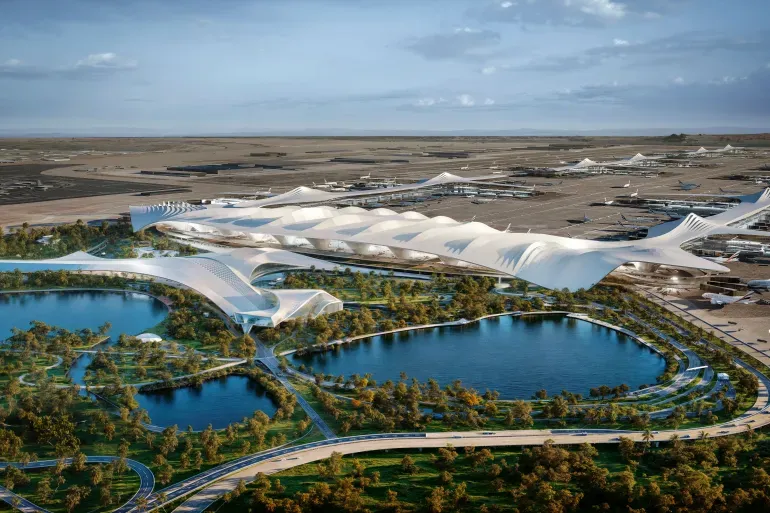
Dubaj uruchomił jeden z największych projektów lotniczych na świecie. Dowiedz się, jak będzie wyglądać nowe międzynarodowe lotnisko Al Maktoum, ile pasażerów będzie mogło obsłużyć i jak projekt zmieni globalne podróże oraz rynek pracy w ZEA
12 cze. 2026
More details2 min
Podróż samolotem
Unia Europejska zgodziła się na dużą aktualizację zasad ochrony pasażerów lotniczych. Dowiedz się, jak zmienią się zasady dotyczące przewozu bagażu podręcznego, odszkodowania za opóźnienia lotów i warunków rezerwacji
17 cze. 2026
More details3 min
Podróż samolotem
Summer is traditionally the busiest season for European airports, but in 2026, the situation could prove particularly challenging. Experts are already warning of possible flight delays, long lines, and overcrowding at certain transportation hubs. Learn more about which European airports are likely to cause the most problems for travelers this summer and how to prepare for your trip
27 cze. 2026
More details2 min
Podróż samolotem
Ryanair wprowadził nowe zasady rezerwacji dla rodzin z dziećmi: jak teraz rezerwować miejsca
Ryanair zmienił swoją politykę rezerwacji miejsc dla pasażerów podróżujących z dziećmi. Linia lotnicza nie będzie już wymagać obowiązkowej dopłaty, aby rodzice mogli siedzieć obok swojego dziecka, ale nowe zasady mają pewne niuanse. Dowiedz się więcej o tym, kogo dotyczą zmiany, jak teraz będzie działać automatyczne przydzielanie miejsc oraz w jakich przypadkach nadal będziesz musiał zapłacić za wybór miejsca
27 cze. 2026
More detailsAll materials and articles are owned by VisitWorld.Today and are protected by international intellectual property regulations. When using materials, approval from VisitWorld.Today is required.