

Large-scale wildfires have swept across southern Europe: tourists are being evacuated in Greece, Spain, France, and Portugal
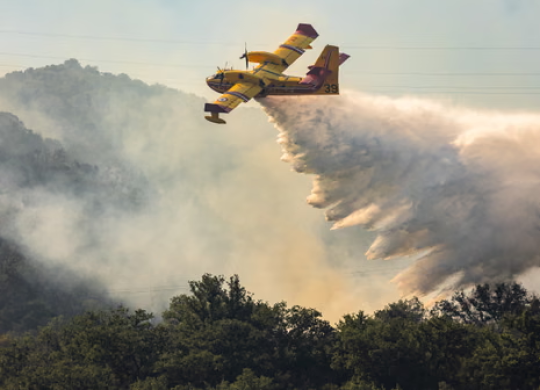
Large-scale wildfires have simultaneously engulfed several popular tourist regions in Southern Europe. Due to extreme heat, wind, and drought, authorities are conducting evacuations, closing roads, and issuing high-risk warnings. Find out more about which countries and resorts have been hardest hit, where evacuations are underway, and what tourists should keep in mind before traveling

Early July brought not only record-breaking heat to the countries of Southern Europe, but also one of the most widespread waves of wildfires this summer. Fires broke out almost simultaneously in Greece, Spain, Portugal, and France, engulfing both natural areas and regions near popular tourist destinations.
In a number of regions, authorities have already evacuated thousands of people, and hundreds of pieces of equipment, aircraft, and international aid have been deployed to fight the fires. Meteorologists warn that due to extremely high temperatures, strong winds, and low humidity, the risk of new fires remains critically high.
Planning a trip abroad?
Insurance from the Visit World portal will help you avoid unnecessary risks. The policy covers the costs of medical treatment, emergency assistance, and unforeseen situations abroad, so that even in the event of delays or route changes, you remain protected and can focus on your trip rather than on problems.

Which countries have been hardest hit by the wildfires?
A massive wave of wildfires has swept across several countries in Southern Europe. The situation is most dire in Greece, France, Portugal, and Spain, where heat, strong winds, and a prolonged drought have caused the fires to spread rapidly near populated areas and popular tourist destinations. In many regions, authorities have ordered evacuations, deployed aircraft and thousands of rescue workers, and the European Union has activated its international aid mechanism.
According to the European Commission, France and Portugal have already requested assistance through the EU Civil Protection Mechanism. rescEU aircraft, as well as firefighting units from other countries, have been deployed to fight the fires. In total, this summer the EU pre-positioned 777 firefighters from 14 countries and prepared 22 specialized aircraft and 5 helicopters to combat large-scale fires.
The fires have already engulfed nearly 20,000 hectares of land across four countries. The largest fire hotspots have been reported in:
- Greece – fires near Thessaloniki and west of Athens, evacuation of settlements and facilities, warnings about toxic smoke.
- France – a large-scale fire in the Eastern Pyrenees region has destroyed about 5,000 hectares; more than 10,000 people have been evacuated.
- Portugal – approximately 13,000 hectares of forests and shrubland were burned in the Vuzela region.
- Spain – a major fire on the Costa Brava coast has engulfed more than 2,200 hectares, and rescue workers are warning of the risk of the fire reigniting due to high temperatures.
This year’s wildfire season began particularly early. According to the European Forest Fire Information System (EFFIS), 962 major fires have already been recorded in EU countries since the beginning of 2026, destroying more than 118,700 hectares of land. Although the area of land burned is still smaller than in the record-breaking year of 2025, the number of fires is more than double the long-term average.
Greece: Evacuations near Thessaloniki and Athens
In Greece, the situation has worsened due to dozens of simultaneous fires and strong winds that have rapidly spread the flames to new areas. According to local fire departments, about 60 wildfires were recorded in the country in just one day, with the most dangerous hotspots occurring in the north of the country and in areas near major cities.
One of the largest fires broke out near Thessaloniki—Greece’s second-largest city and a major transportation hub for tourists traveling through the north of the country. The fire spread through agricultural and forested areas, and thick smoke blanketed the surrounding countryside. Due to the danger, authorities evacuated people from several areas, including residents and patients from facilities located near the fire zone.
Another dangerous area is the region west of Athens, where the fire spread through pine forests. Such fires are particularly difficult to extinguish, as coniferous trees catch fire quickly, and strong winds can carry the flames across roads or natural barriers in a matter of minutes. That is why local authorities are actively issuing warning alerts and urging people not to ignore evacuation orders.
For tourists, the main risk in Greece right now is not only the fire itself but also the smoke, road closures, and possible transportation delays. Even if a resort or hotel is not directly in the fire zone, the situation can change rapidly depending on wind direction. Those traveling by car, planning routes through forested areas, or stopping in small towns near natural areas should be especially cautious.
Tourists in Greece should:
- Regularly check announcements from the Greek Civil Protection Service and local authorities
- Avoid traveling to mountainous, forested, or sparsely populated areas during periods of high fire danger
- Keep documents, medications, a charged phone, and water within reach
- Check with your hotel in advance to find out where the nearest evacuation routes are
- Do not attempt to drive through smoky or blocked sections of the road on your own
For now, most tourist areas in Greece remain open, but the situation varies by region. Before traveling, it’s important to check not only general news about the country but also local updates specific to the island, city, or resort where you plan to visit.
France, Spain, and Portugal: Where the Situation Remains Most Severe
In addition to Greece, major wildfires continue to rage in three other popular tourist destinations—France, Spain, and Portugal. In many areas, residents and tourists are being evacuated, roads are being closed, and international aid is being mobilized to fight the fires.
France. The most critical situation is in the Pyrénées-Orientales department near the border with Spain. Due to strong winds, the fire quickly spread across approximately 4,600–5,000 hectares, and authorities evacuated more than 10,000 people from two dozen settlements. More than 700 firefighters, amphibious aircraft, and assistance from other EU countries have been deployed to fight the blaze. The fire even forced organizers to restrict spectator access to one of the stages of the Tour de France.
Spain. Catalonia and the province of Castellón have been hit the hardest. On the Costa Brava, the fire destroyed more than 2,200 hectares, and in the Sierra de Espadan Natural Park area, about 500 people were evacuated. Due to temperatures exceeding 40°C in some places, rescue workers are warning of a high risk of new fires breaking out.
Portugal. The largest fire broke out in the Vouzela area, where the blaze has already engulfed about 13,000 hectares of forests and shrubland. To combat the disaster, the country requested assistance from the European Union, which deployed additional aircraft under the rescEU mechanism.
According to weather forecasts, temperatures in many regions of France, Spain, and Portugal will again approach 40°C in the coming days, and strong winds and low humidity could contribute to new fires. That is why tourists are advised to monitor announcements from local authorities and be prepared for possible route changes or temporary restrictions.
Is it safe to travel to Southern Europe right now?
Despite the large-scale wildfires, there are no widespread entry restrictions for Greece, France, Spain, or Portugal. Most airports, resorts, and tourist infrastructure continue to operate as usual. However, the situation in certain regions can change in a matter of hours due to strong winds and the emergence of new fire outbreaks.
Before traveling, tourists are advised to:
- Check official announcements from local authorities and civil protection agencies
- Monitor information from airlines, tour operators, or hotels regarding possible changes
- Avoid traveling to areas where fires are active or evacuations have been ordered
- Be prepared for temporary road closures, transportation delays, or poor air quality due to smoke
Pay special attention to the weather forecast. According to meteorologists, temperatures in some parts of Spain, Portugal, and southern France may again reach 40°C in the coming days, and strong winds significantly increase the risk of rapid fire spread. That is why even regions that are currently calm may find themselves in a high-risk zone.
Are you preparing for a trip abroad in 2026?
Medical insurance from the Visit World portal will provide reliable support during your trip, especially in the context of flight changes and unstable schedules. The policy covers medical expenses, emergency assistance, and other unforeseen situations outside the country, so you can feel confident even when plans have to be adjusted at the last minute.
We remind you! Croatia is stepping up its fight against drunken tourists by introducing new restrictions in popular resort cities. Split became the first city in the country to introduce strict rules on alcohol sales this summer. Read more about the new bans, hefty fines for tourists, and changes in Croatia's tourism strategy.
Products from Visit World for a comfortable trip:
Travel guide for 200 countries;
Legal advice from a local specialist on visa and migration issues;
Travel insurance around the world (please select the country of interest and citizenship to receive services);
Medical insurance all over the world.
We monitor the accuracy and relevance of our information, so if you notice any errors or inconsistencies, please contact our hotline
Recommended articles
2 min
Popular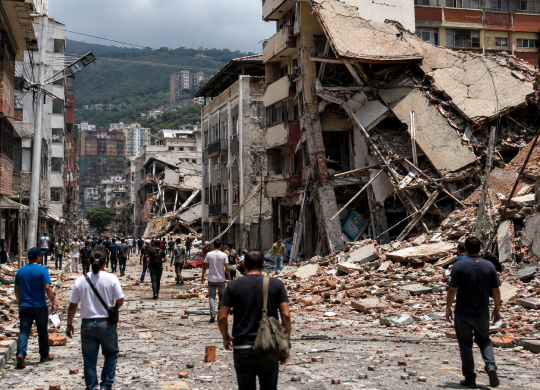
Powerful Earthquake in Venezuela: Dozens Dead, Hundreds Injured, and Widespread Destruction
On June 24, Venezuela was rocked by two powerful earthquakes with magnitudes exceeding 7, which were among the strongest the country has experienced in recent decades. The disaster resulted in numerous casualties, widespread destruction, and disruptions to transportation and infrastructure. Learn more about the causes of the earthquake, its consequences, and the current situation in Venezuela
25 cze. 2026
More details2 min
Events
On July 4, 2026, the United States will celebrate the 250th anniversary of the signing of the Declaration of Independence—an anniversary that is already being called one of the most significant events in the country’s history. Across America, grand parades, concerts, air shows, historical reenactments, and record-breaking fireworks displays are planned, and a special anniversary passport is even being prepared for the celebration. Find out where the main events will take place, what’s new for America 250, and what tourists should know before their trip
01 lip. 2026
More details2 min
Popular
The EU has introduced a new duty on inexpensive packages from abroad: what will change for shoppers
The European Union has introduced a new fee on low-cost packages arriving from countries outside the EU. The decision primarily affects goods ordered on popular international marketplaces and is part of a large-scale reform of the customs system. Find out why the EU adopted these changes and how they will affect online shoppers
03 lip. 2026
More details2 min
Popular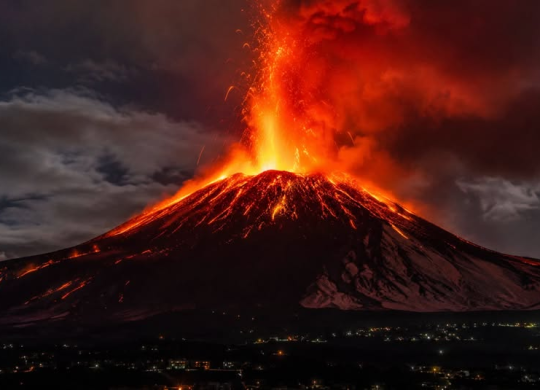
Europe's tallest volcano has erupted in Italy Mount Etna: A red alert has been issued for aviation
Mount Etna—Europe’s tallest and most active volcano—has become active again on the Italian island of Sicily. Due to large-scale ash emissions, a red alert has been issued for aviation, causing disruptions at Catania Airport and changes to flight schedules. Learn more about what’s happening on Mount Etna right now, whether there’s a threat to tourists, and how the eruption has affected air travel
07 lip. 2026
More detailsAll materials and articles are owned by VisitWorld.Today and are protected by international intellectual property regulations. When using materials, approval from VisitWorld.Today is required.