

Valencia imposes strict restrictions on rental housing: spain changes the rules of the game for tourists
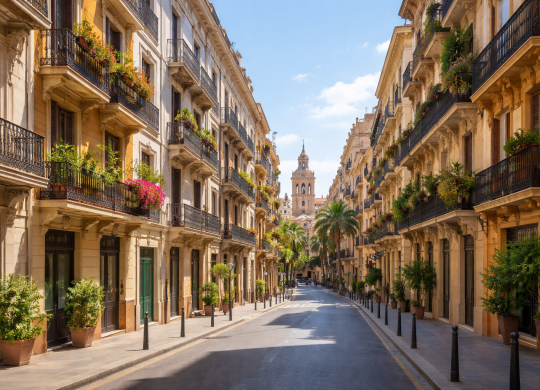
Spain continues to tighten regulations on tourist accommodations: Valencia is introducing strict restrictions, while Barcelona is preparing to impose a complete ban on short-term rentals. The reasons behind this are a sharp rise in housing prices and discontent among local residents. Learn more about the new regulations and how they will affect tourists and property owners

Spain is gradually changing its approach to tourism: following Barcelona, another popular city—Valencia—has decided to strictly limit the rental of housing to tourists. The reason is the worsening housing crisis, which is being exacerbated by the rise in short-term rentals.
Local authorities are trying to restore a balance between the interests of the tourism industry and the needs of residents, who are increasingly unable to afford rent in their own city. The new rules set clear limits on the number of tourist apartments and could significantly change the market.
At the same time, this is not an isolated case: Spain has been tightening controls on short-term rentals for several years, and some cities are moving toward radical solutions.
In the previous article, we talked about the TOP-10 tourist destinations according to Time Out, which are definitely worth visiting in 2026.
Discovering a new country for yourself without the help of travel agents or intermediaries is very simple. All you need is a checklist or a “Travel Guide” from Visit World – a step-by-step guide with all the key information for your trip.
The guide contains information on visa requirements, visa-free entry rules, permitted periods of stay and a list of required documents.
After completing the form, the guide will be sent to your email in PDF format in just a few minutes.
Choose a country and get your travel guide today.

Valencia imposes strict limits on tourist accommodations
Valencia’s authorities are moving toward systematic restrictions on short-term rentals in an effort to halt rising housing prices and reduce the pressure of tourism on the city. The new rules have already been approved as part of amendments to urban planning regulations and establish clear quantitative limits on tourist accommodations.
According to the city council’s decision, the number of apartments and houses rented to tourists cannot exceed 2% of the total housing stock in each district. Additionally, the total number of tourist accommodations (including hotels, apartments, and other options) is capped at 8% of the number of registered residents in each neighborhood.
Another important limit has been set: no more than 15% of tourist accommodations may be located on the ground floors of buildings in residential areas. This decision is intended to prevent entire streets from becoming purely tourist zones and to preserve comfort for local residents.
City authorities openly state that they are changing their approach to tourism: Valencia positions itself not as a destination for mass, budget-friendly vacations, but as a city for living, where housing is primarily intended for residents. That is why the new rules must ensure that the vast majority of the housing stock remains in long-term use.
However, even these restrictions do not solve all the problems. According to estimates by local associations, there are already over 9,000 illegal tourist apartments operating in the city, which effectively remain unregulated. This means that the actual scale of short-term rentals is significantly larger than official statistics indicate, and combating the “shadow” market will be a key challenge for the authorities.
Earlier we talked about the 13 best places for a spring trip in Europe in 2026.
Barcelona – a complete ban on tourist apartments
While Valencia is restricting the market, Barcelona is preparing for much more radical changes. City authorities have already announced their intention to completely ban short-term apartment rentals for tourists in the coming years.
According to the plan, by 2029, the current format of tourist apartments will disappear in Barcelona, and approximately 10,000 properties will return to the long-term rental or sales market.
The reason for these strict measures is the rapid growth of tourist traffic and its impact on the housing market.
Every year, Barcelona is visited by about 7 million tourists, and a significant portion of them choose rental apartments over hotels.
This has already led to serious economic consequences:
- Over the past 10 years, rental prices have risen by approximately 70%
- Property purchase prices have risen by another 40%
As a result, local residents, especially young people, are increasingly unable to afford to live in their own city. That is why city officials are stating clearly: the priority is to return housing to residents, not tourists.
This decision could set a precedent for all of Europe, as Barcelona is one of the most popular tourist destinations, and its policies are already influencing the approaches of other cities, notably Valencia.
We previously reported that starting in April 2026, Venice will once again charge an entrance fee for day-trippers.
Why Spain is tightening rules: the housing crisis and protests
Tightening restrictions on tourist housing is not a random decision by individual cities, but a response to a systemic problem that is escalating across Spain. Mass tourism in recent years has significantly altered the real estate market and the quality of life for local residents.
In many popular regions, particularly in Barcelona, Mallorca, and the Canary Islands, large-scale protests have erupted against overtourism. People are taking to the streets because cities are becoming overcrowded, infrastructure is overloaded, and housing costs are skyrocketing.
A separate problem is the so-called phenomenon of “touristflation”—a situation where a heavy influx of tourists drives up prices for housing, goods, and services. As a result, local residents are effectively being pushed out of central areas, which are gradually turning into tourist zones.
Among the main causes of dissatisfaction:
- A sharp rise in rental costs
- A shortage of affordable housing for locals
- Overburdened transportation and infrastructure
- Negative environmental impact
It is precisely because of these factors that authorities are forced to intervene in the market and impose strict restrictions. The main goal is to restore the balance between tourism and a comfortable life for residents, even if it means reducing the number of tourist accommodations.
Learn more about the 5 best tourist destinations in Spain to visit in 2026 by following the link.
Restrictions on Airbnb and new rules for property owners
In parallel with local city initiatives, Spain is tightening controls on short-term rentals at the national level. The brunt of the crackdown has fallen on platforms like Airbnb, which have become a key tool for mass rental of housing to tourists.
In May 2025, authorities ordered Airbnb to remove over 65,000 listings that violated registration rules. Subsequently, nearly 55,000 more properties were added to the list, effectively making it one of the largest market “cleanups” in Europe.
In addition, the company was fined 64 million euros for listing unlicensed accommodations. This is a signal not only to platforms but also to property owners: regulations are becoming significantly stricter, and enforcement is now a reality.
Another important change is the new requirements for landlords themselves. Now, to rent an apartment to tourists, you must obtain the consent of at least 60% of the building’s residents. This effectively gives neighbors the ability to block the emergence of tourist accommodations in their buildings.
Taken together, these measures demonstrate the government’s clear policy:
- Reduce the share of illegal rentals
- Return housing to the long-term market
- Limit the impact of mass tourism on cities
As a result, finding accommodation for tourists in Spain may become more difficult in the coming years, and prices may become even more volatile due to a reduction in supply.
Are you planning a trip and want to prepare without unnecessary stress? Visit World's travel guide contains key tips for travelers: rules of entry and stay, current requirements for tourists, basic safety, transportation and accommodation. Such a guide will help you quickly navigate a new country, avoid common mistakes during your trip, and plan your route taking into account practical nuances that often go unnoticed by tourists.
Products from Visit World for a comfortable trip:
Travel guide for 200 countries;
Legal advice from a local specialist on visa and migration issues;
Travel insurance around the world (please select the country of interest and citizenship to receive services);
Medical insurance all over the world.
We monitor the accuracy and relevance of our information, so if you notice any errors or inconsistencies, please contact our hotline
Recommended articles
2 min
Popular
Egipt skraca godziny pracy z powodu kryzysu energetycznego: jak wpłynie to na wakacje
Egipt wprowadza nowe ograniczenia dotyczące kawiarni, sklepów i centrów handlowych z powodu kryzysu energetycznego. Zmiany już wpływają na zwykły rytm życia i doświadczenia turystyczne. Dowiedz się więcej o nowych zasadach i co oznaczają dla podróżnych
20 mar. 2026
More details3 min
Travels
Gdzie pojechać w Hiszpanii: 5 najlepszych miejsc do odwiedzenia w 2026 roku
Hiszpania to nie tylko popularne kurorty i duże miasta. Kraj ten ma do zaoferowania dziesiątki mniej znanych miejsc, które mogą zapewnić znacznie bardziej autentyczne doświadczenie podróżnicze. Dowiedz się więcej o 5 najlepszych miejscach podróży w Hiszpanii do odwiedzenia w 2026 roku
27 mar. 2026
More details2 min
Travels
Od kwietnia 2026 roku Wenecja ponownie nałoży opłatę na turystów odwiedzających miasto na jeden dzień. W tym roku ograniczenia będą obowiązywać przez dłuższy czas, a liczba dni objętych opłatą wzrośnie. Dowiedz się więcej o nowych zasadach, datach i kosztach wizyty w mieście
31 mar. 2026
More details2 min
Popular
Letnie godziny ciszy w Grecji 2026: Czas, kary i ważne zasady
1 kwietnia 2026 roku Grecja wprowadziła politykę letnich godzin ciszy, która będzie obowiązywać do końca września. W tym okresie obowiązują surowe ograniczenia hałasu zarówno w dzień, jak i w nocy, a naruszenia podlegają karom finansowym, a nawet odpowiedzialności karnej. Dowiedz się więcej o zasadach, godzinach ciszy i o tym, co turyści powinni mieć na uwadze
03 kwi. 2026
More detailsAll materials and articles are owned by VisitWorld.Today and are protected by international intellectual property regulations. When using materials, approval from VisitWorld.Today is required.