

Poland to Waive Road Tolls for Some Drivers: What Will Change Starting in September 2026
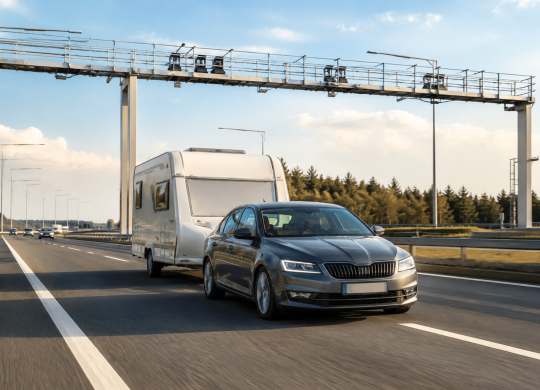
Starting September 21, 2026, the rules for using the e-TOLL system in Poland will change for passenger vehicles with trailers. Some drivers will no longer be required to pay the electronic toll, but users with a balance remaining in their account will have to request a refund on their own. Here’s who the new rules apply to and what you should do before closing your account

Traveling through Poland by car with a trailer or RV will become easier. Starting September 21, 2026, drivers of vehicles with a maximum gross weight of up to 3.5 metric tons and a trailer will no longer be required to pay tolls through the e-TOLL system on roads where electronic toll collection is in effect. These changes are enshrined in amendments to Polish legislation on public roads.
The new rule is particularly important for tourists traveling through Poland in passenger cars with caravans, travel trailers, or other light trailers. However, the elimination of the obligation to use e-TOLL does not mean an automatic refund of any funds remaining in the system’s account. Drivers will have six months from September 21, 2026, to submit the relevant application.
Below, we’ll explain exactly who will be exempt from the road toll, who will still need e-TOLL, and how to avoid losing any unused funds in your account.
Are you planning a trip to Europe by car?
In many countries, highways are tolled and require an electronic road vignette. This is a digital permit that confirms payment for the use of toll roads and is checked automatically by the license plate number - without stickers and paper receipts. Making a vignette online before you travel will help you avoid fines, travel delays, and unpleasant situations during inspections.

Poland is changing its e-TOLL rules: what will happen starting September 21
Starting September 21, 2026, changes will take effect in Poland that will exempt certain drivers from the obligation to pay the electronic toll via the e-TOLL system. This applies to light vehicles with a gross vehicle weight rating of up to 3.5 metric tons that are towed by a trailer.
Previously, the combined gross vehicle weight of the car and trailer was the determining factor. If it exceeded 3.5 metric tons, such a vehicle combination could be subject to the requirement to register with e-TOLL and pay the toll on the relevant road sections.
Once the new rules take effect, the mere presence of a trailer will no longer require the use of e-TOLL if the vehicle belongs to the category of vehicles with a maximum authorized mass of up to 3.5 metric tons. This applies, in particular, to many drivers traveling with recreational trailers, cargo trailers, or other light trailers.
However, the e-TOLL system in Poland is not being abolished entirely. It will continue to apply to vehicles and categories of transport that, under Polish law, remain subject to the electronic toll.
Learn more about current toll rates in Poland for 2026 by following the link.
Who will no longer have to pay the toll in Poland?
The new rules primarily apply to drivers of vehicles with a maximum gross weight of up to 3.5 metric tons that are towing a trailer. Starting September 21, 2026, such vehicles will no longer be required to use e-TOLL to pay tolls on roads included in the electronic toll collection network.
In practice, these changes may affect travelers who are:
- Driving a passenger car with a travel trailer
- Driving a car with a luggage or cargo trailer
- Driving a light vehicle with a trailer, provided the vehicle’s gross vehicle weight rating does not exceed 3.5 metric tons
Previously, in such cases, the combined permissible weight of the vehicle and trailer was taken into account. If it exceeded 3.5 metric tons, the driver was required to use e-TOLL on the relevant toll sections. Following the legislative change, this requirement has been abolished for the specified category of vehicles.
At the same time, it is important to look specifically at the maximum permissible weight of the vehicle as stated in the registration documents. The abolition of the toll does not automatically apply to all vehicles weighing more than 3.5 metric tons.
To learn more about which European countries have introduced new speed limits on highways, follow the link.
What will change for vehicles with trailers and RVs?
The most notable change affects drivers traveling through Poland with trailers and RVs. Starting September 21, 2026, a vehicle with a maximum permissible weight of up to 3.5 metric tons will not be subject to mandatory e-TOLL payments simply because the total permissible weight, including the trailer, exceeds this threshold.
For tourists, this means easier trips in their own car with a camping trailer. For example, if the maximum gross weight of a passenger car is 2.5 metric tons and that of the trailer is 1.2 metric tons, the combined weight is 3.7 metric tons. Under the old rules, such a combination might have been subject to e-TOLL, but after September 21, 2026, the obligation to pay the electronic toll for it will be waived.
At the same time, a trailer should not be confused with a camper. In the case of a self-propelled motorhome, its status depends on the maximum gross weight of the vehicle itself. For vehicles weighing more than 3.5 metric tons, the e-TOLL rules remain in effect. The Polish system will continue to apply to categories of heavy vehicles for which electronic toll payment is required.
We previously discussed the most common reasons tourists are fined on European roads in 2026.
Who still needs to use e-TOLL?
The abolition of the toll for passenger cars with trailers does not mean that the e-TOLL system will cease to operate. It will remain mandatory for vehicles with a gross vehicle weight rating exceeding 3.5 metric tons and for buses traveling on toll sections of Polish roads.
After September 21, 2026, e-TOLL will continue to be used by:
- Trucks with a gross vehicle weight exceeding 3.5 metric tons
- Buses, regardless of their gross vehicle weight
- Other heavy vehicles subject to electronic toll payment under Polish regulations
For these vehicles, the toll amount depends on the road category, gross vehicle weight, and the vehicle’s emissions class. In 2026, Poland also expanded the network of roads covered by e-TOLL, so before traveling in a heavy vehicle, it’s important to check not only the vehicle category but also the specific route.
Tourists traveling in self-propelled RVs should also pay attention to the vehicle’s documentation: if the maximum gross weight of such a vehicle exceeds 3.5 metric tons, it will continue to be subject to e-TOLL rules on toll roads.
In our previous article, we discussed where in Europe it’s cheapest and fastest to charge an electric vehicle.
How do I get a refund for the remaining balance on my e-TOLL account?
Drivers who will no longer be required to use e-TOLL after September 21, 2026, should check their account balance separately. Unused funds are not automatically refunded after the rules change. To receive a refund, you must submit a request.
According to information from the Polish e-TOLL system, users will have six months from the date the new rules take effect to request a refund. This applies, in particular, to the balance in the e-TOLL account and funds deposited as a security deposit, if they are refundable.
Therefore, drivers who used the system only with a vehicle towing a trailer should, after September 21:
- Check the balance in their e-TOLL account
- Submit a refund request if necessary
- Ensure that their current bank and contact information is listed in the system
- Do not delay submitting the request until the six-month period has expired
If the application is not submitted within the timeframe specified by law, the right to a refund of the remaining balance may be forfeited, and any unused funds will be transferred to the National Road Fund of Poland. This is why this point is important even for drivers who, following the rule changes, no longer plan to use e-TOLL at all.
Are you traveling abroad with your own car or a rented car?
Before traveling, it is important to check whether a road vignette is required for toll roads in the countries of your route. Failure to have a valid vignette can result in fines and automatic camera recordings of violations. Getting an electronic vignette from Visit World is an easy way to travel more relaxed, without unnecessary expenses and surprises on the road!
We remind you! Traveling through Europe in 2026 does not have to be expensive, even despite the general rise in prices. Analysts have compiled a rating of the most affordable destinations where you can combine relaxation, experiences, and moderate expenses. Follow the link to learn about budget locations in Europe that are worth considering for your 2026 vacation.
Products from Visit World for a comfortable trip:
Travel guide for 200 countries;
Legal advice from a local specialist on visa and migration issues;
Travel insurance around the world (please select the country of interest and citizenship to receive services);
Medical insurance all over the world.
We monitor the accuracy and relevance of our information, so if you notice any errors or inconsistencies, please contact our hotline.
Recommended articles
3 min
Transport
Driving in Austria in 2026: Traffic Rules, Fines, Vignettes, and Toll Roads
To travel through Austria by car, it’s not enough to simply purchase a vignette: additional tolls apply on certain Alpine routes, and violations of the rules can result in significant fines. Drivers should also be aware of speed limits, the Rettungsgasse emergency lane, winter equipment requirements, and the specifics of the digital vignette. Learn more about traffic laws, fines, toll roads, and the rules for driving in Austria in 2026
16 sie. 2026
More details2 min
Transport
The World's Most Popular Automakers in 2026: Who Topped the Rankings
The Toyota Group retained its status as the world's largest automaker based on results for the first half of 2026. Learn more about the companies that made it into the top 10 of the global auto market, and how the rankings of Volkswagen, Hyundai-Kia, BYD, and other major automakers are changing
17 sie. 2026
More details3 min
Transport
Podróż samochodowa przez Czechy: Drogi, winiety, parkowanie i mandaty w 2026 roku
Na większości płatnych autostrad w Czechach samochody osobowe wymagają elektronicznej winiety, a jej cena zależy nie tylko od okresu ważności, ale także od rodzaju napędu. W 2026 roku standardowa 10-dniowa winieta kosztuje 300 CZK, a pojazdy elektryczne mogą korzystać z płatnych dróg za darmo, pod warunkiem spełnienia wymagań dotyczących zwolnienia. Dowiedz się, jak działa eDalnice, jakie przepisy ruchu drogowego obowiązują w Czechach i co powinieneś sprawdzić przed podróżą samochodową
23 sie. 2026
More details2 min
Transport
Toll Roads in Poland in 2026: Current Rates and Payment Methods
Most Polish highways are toll-free for passenger cars, but tolls apply on certain sections of the A1, A2, and A4. Learn more about current rates, available payment methods, and the rules for using the e-TOLL system in 2026
07 sie. 2026
More detailsAll materials and articles are owned by VisitWorld.Today and are protected by international intellectual property regulations. When using materials, approval from VisitWorld.Today is required.